17 Smart Small Space Living Room Ideas You’ll Wish You Knew Earlier
Small living rooms often feel tight at first glance, but smart planning can change how the space behaves day to day. The key is not filling every corner, but using what is already there in a more intentional way. With the right furniture choices, wall use, and storage tricks, even a compact room can feel open, comfortable, and easy to move around in. This list focuses on practical ideas that work in real homes without requiring major changes or big budgets. Each idea is simple, realistic, and focused on making daily living smoother.
Foldable Wall-Mounted Sofa Seating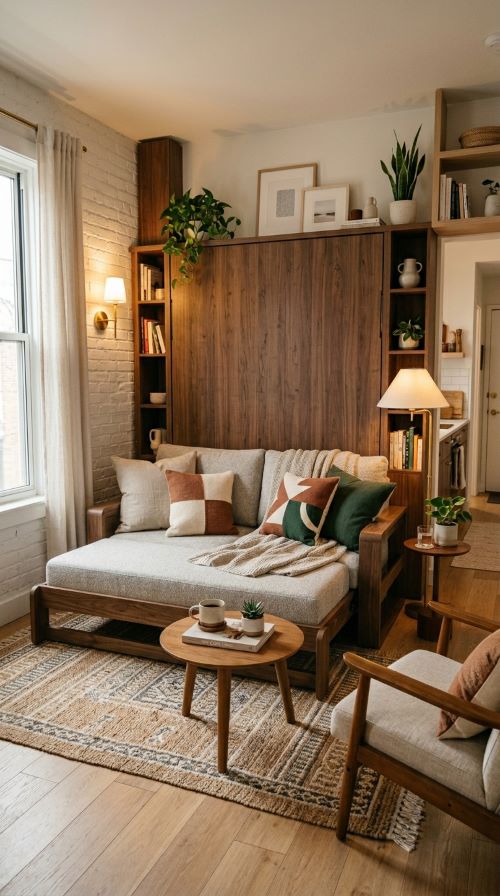
Wall-mounted foldable seating works well in very small living rooms where floor space is limited. Instead of a bulky sofa taking up permanent space, this type of seating folds flat against the wall when not in use. It creates extra room for movement during the day and opens the area for activities like stretching, cleaning, or even small gatherings. Many budget-friendly versions are available online, or you can DIY a simple fold-down wooden bench with strong hinges.To make it comfortable, add removable cushions or a soft mattress pad that can be stored in a nearby cabinet. Neutral fabric colors help keep the room feeling open. This idea works especially well in studio apartments where one room serves multiple purposes. If installed correctly, it can completely change how the space is used without requiring any structural changes.When used daily, this setup removes the feeling of a permanently “filled” room. It gives flexibility that standard sofas cannot offer. Over time, it also encourages a cleaner habit since the seating is stored away when not in use. The room feels more open, and movement becomes easier, especially in narrow layouts. It is a practical approach for anyone trying to make a small living area feel more functional without spending heavily.
Multi-Use Coffee Table Storage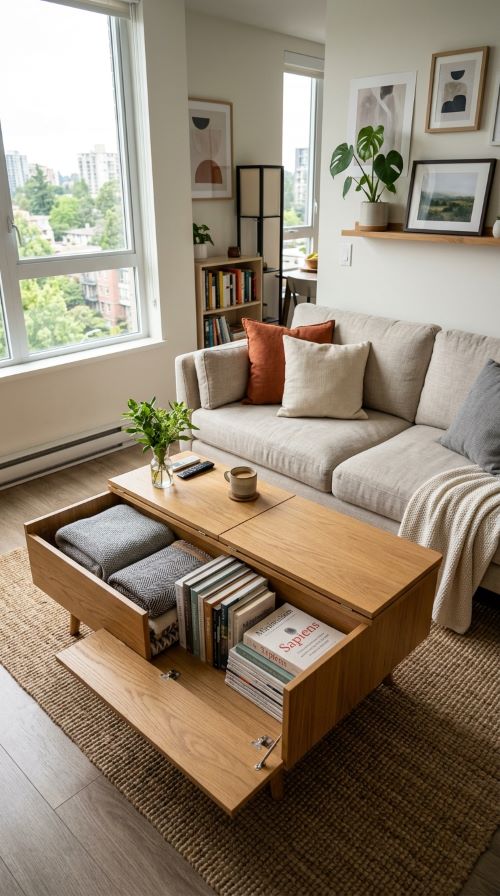
A coffee table that offers storage inside is a simple way to reduce clutter in a small living room. Instead of using separate boxes or baskets that take up extra space, you can store items like remote controls, books, chargers, or blankets inside the table itself. This keeps the surface clean and useful for daily use.Affordable options include lift-top tables or ones with drawers underneath. If you enjoy DIY projects, a basic wooden crate can be turned into a storage table with a flat top added. The goal is to keep things hidden but easily accessible.This idea helps maintain a tidy look without constant rearranging. It also reduces the need for extra furniture pieces. When the surface is clear, the room naturally feels more open and less crowded.Over time, this type of furniture changes how you organize your living space. Instead of spreading small items around the room, everything has a fixed hidden place. This reduces visual mess and makes cleaning quicker. Even in a very small room, this one piece can replace multiple storage baskets. It keeps daily essentials close while still maintaining a neat appearance. For shared homes, it also helps avoid clutter buildup since everyone has a clear storage spot.
Vertical Wall Shelving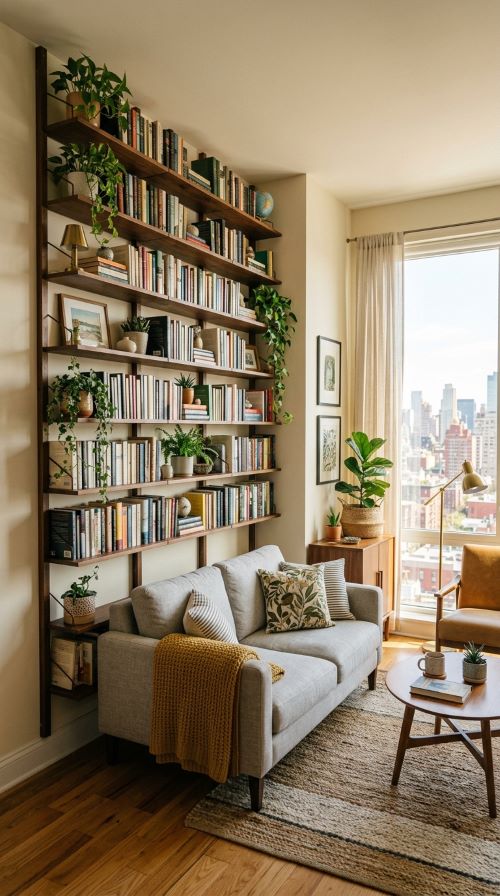
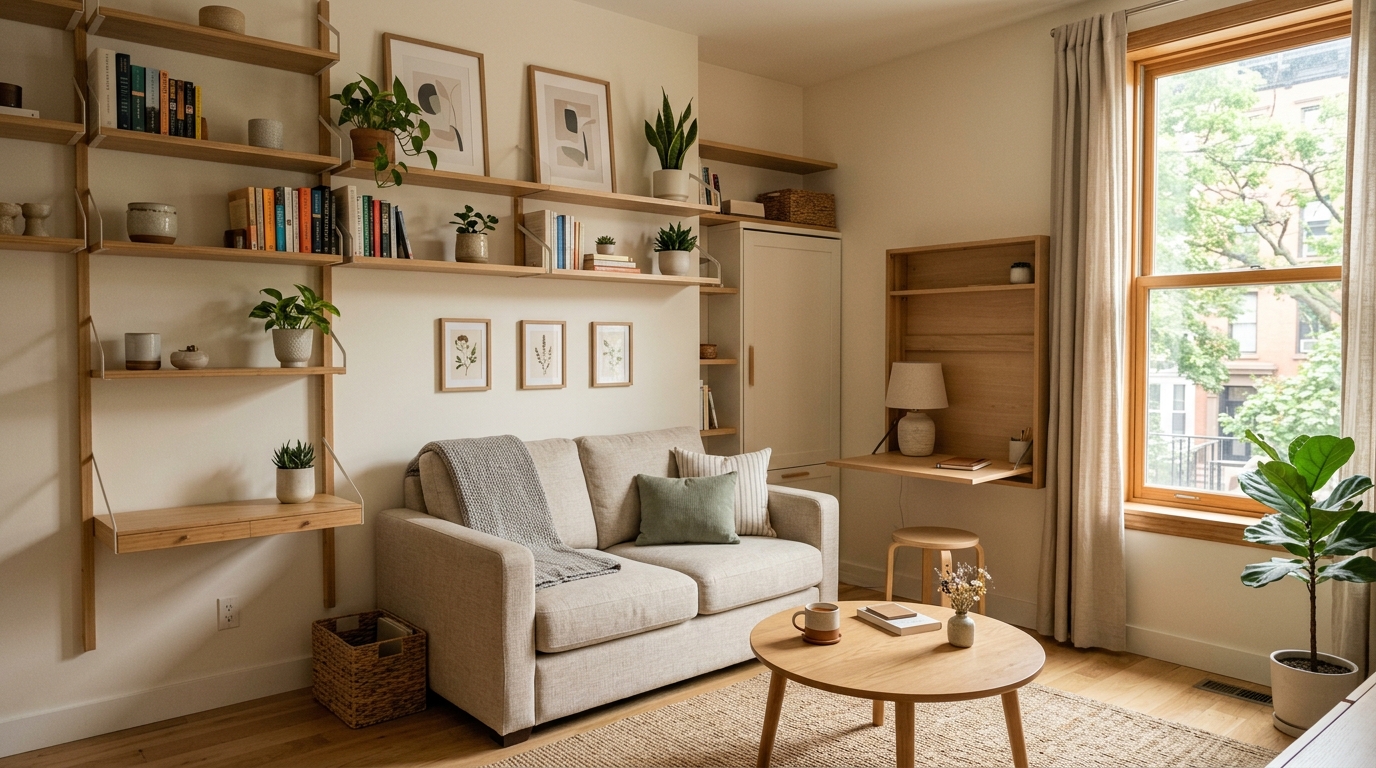
Using vertical space is one of the easiest ways to create more storage in a small living room. Instead of spreading items across the floor, tall wall shelves draw the eye upward and free up valuable ground space. This makes the room feel taller and less cramped.You can install simple floating shelves using affordable brackets and wooden planks. Arrange items in a balanced way—books on one level, plants on another, and a few decorative pieces in between. Avoid overcrowding the shelves, as open space between items keeps things visually light.Vertical shelving is especially useful for renters who cannot make permanent changes. Many lightweight options are easy to install without damaging walls. It also helps organize everyday items so they are easy to find.Over time, vertical shelving changes how the room is perceived. Instead of focusing on limited floor area, the eyes are guided upward, which creates a more open feeling. It also helps keep daily-use items organized in one place instead of scattered across surfaces. Even a single wall can become a functional storage zone. This approach is especially useful in narrow rooms where floor space is limited but wall space is underused.
Mirrors for Visual Depth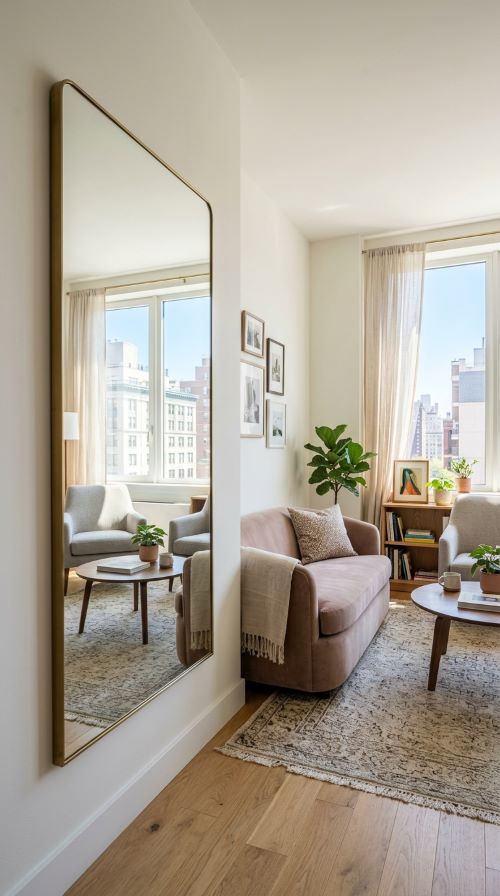
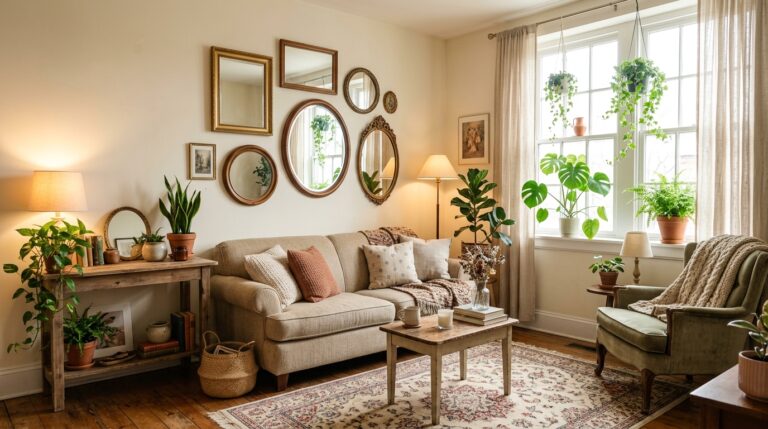
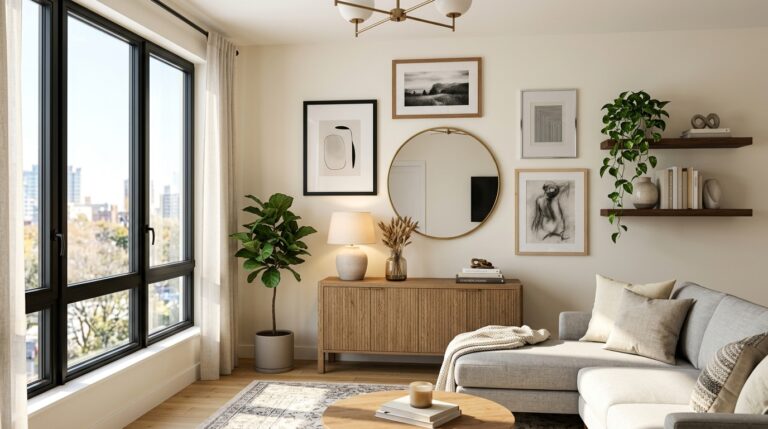
Mirrors can make a small living room feel larger by reflecting light and creating a sense of depth. A large mirror placed across from a window helps brighten the entire space during the day. Even a medium-sized mirror can open up a tight corner and reduce the feeling of closed walls.You don’t need expensive frames. Simple, frameless mirrors or thrifted pieces work just fine. Placing them behind a sofa or above a console table is a common and effective choice.Mirrors also help distribute natural light more evenly. This reduces the need for artificial lighting during daytime hours.Over time, mirrors change how the space feels without changing anything structurally. They visually double the room, which helps reduce the boxed-in feeling that small spaces often have. Even darker corners become brighter when light reflects across surfaces. This makes the room more comfortable for daily use. When paired with light walls and minimal furniture, mirrors can create a balanced and open atmosphere without adding anything bulky.
Light Color Palette Walls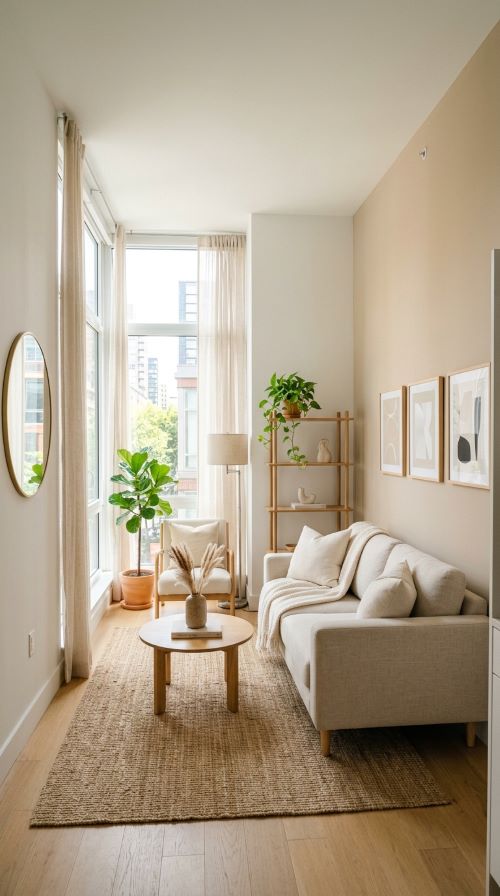
Light wall colors help a small living room feel more open and less crowded. Shades like soft white, cream, light beige, or pale gray reflect natural light better than darker tones. This creates a brighter and more spacious feeling even in tight layouts.Painting walls is one of the most budget-friendly changes you can make. A single coat of light paint can completely shift how the room feels. Pairing light walls with simple furniture keeps the space visually calm.If painting is not possible, removable wallpaper in light shades is another option. It is easy to apply and remove, making it suitable for rentals.Over time, light-colored walls reduce visual weight in the room. They make furniture and decor stand out without overwhelming the space. This helps maintain a calm environment where the eye can rest easily. Even small rooms feel more breathable when darker visual blocks are reduced. It also improves lighting efficiency since natural light spreads more evenly across surfaces. This creates a more comfortable living area without adding anything extra.
Slim Profile Furniture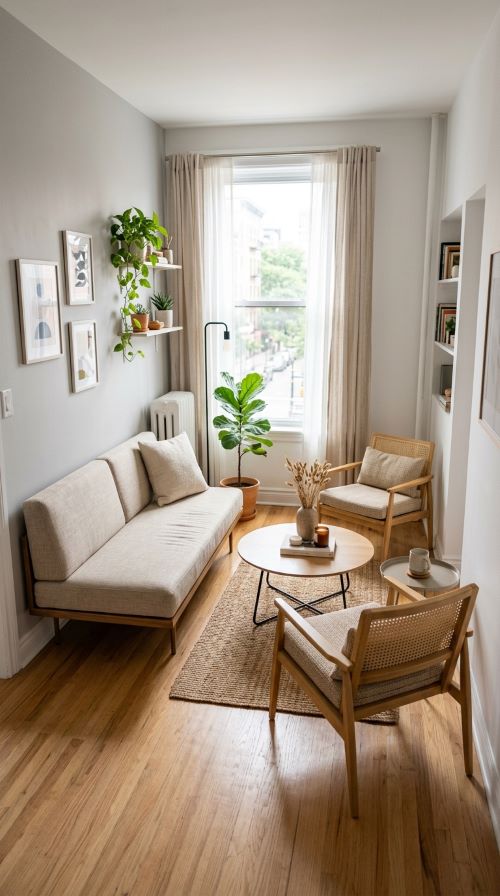
Slim-profile furniture is designed to take up less floor space while still offering comfort. Sofas with narrow arms, thin legs, and shallow depth are ideal for small living rooms. They allow better movement around the space and prevent the room from feeling blocked.You can often find affordable versions in budget furniture stores or second-hand markets. Choosing lighter colors also helps reduce visual weight.Avoid oversized couches or bulky recliners in small spaces. Instead, focus on clean lines and simple shapes.Over time, this type of furniture makes daily movement easier. The room feels less crowded, and cleaning becomes simpler because there is more open floor space. It also creates better balance between function and openness. Even when the room is fully used, it still feels breathable instead of packed. This approach helps maintain comfort without sacrificing seating or usability.
Corner Seating Optimization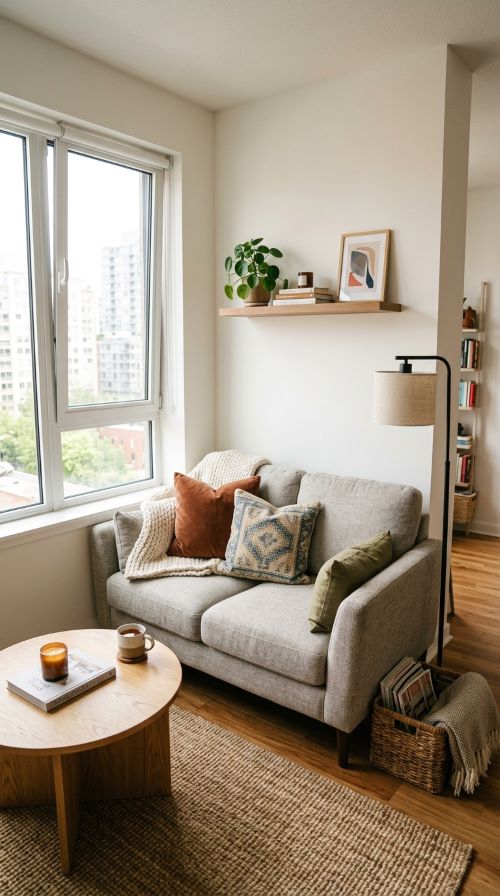
Corners are often wasted in small living rooms, but they can be turned into useful seating areas. A corner sofa or L-shaped bench fits neatly into unused space and creates extra seating without blocking movement.You can build a simple corner bench using wooden planks and cushions for a low-cost option. Adding storage underneath makes it even more useful for blankets or seasonal items.Over time, corner seating changes how the room is used. Instead of pushing furniture toward the center, the layout shifts outward, freeing up walking space. This creates a more open middle area, which improves comfort and movement. It also adds a cozy seating zone that feels naturally integrated into the room. Even small corners become functional instead of empty.
Hidden Storage Ottoman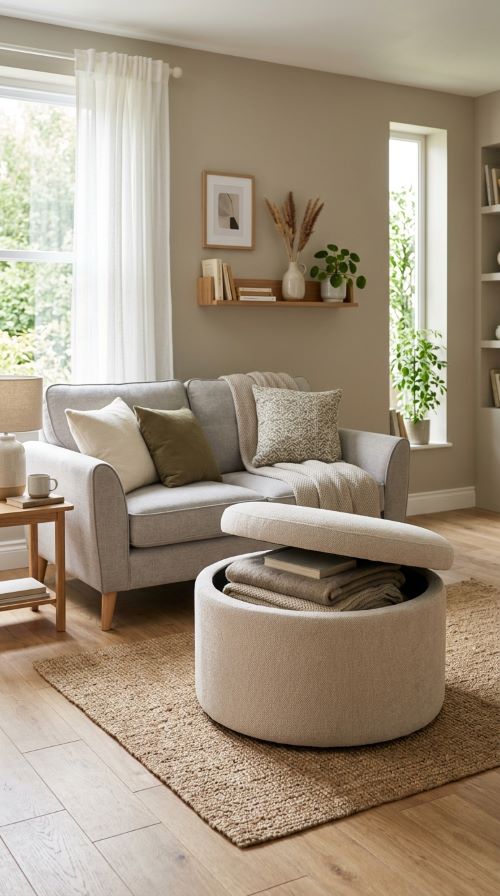
A storage ottoman works as both seating and hidden storage. It can hold blankets, magazines, or small items while also serving as a footrest or extra seat when needed.Over time, this piece reduces visible clutter in the living room. Instead of leaving items on surfaces, they can be quickly stored inside the ottoman. This keeps the room looking cleaner throughout the day without extra effort. It also adds flexibility since it can be moved easily depending on need.
Sliding Door Dividers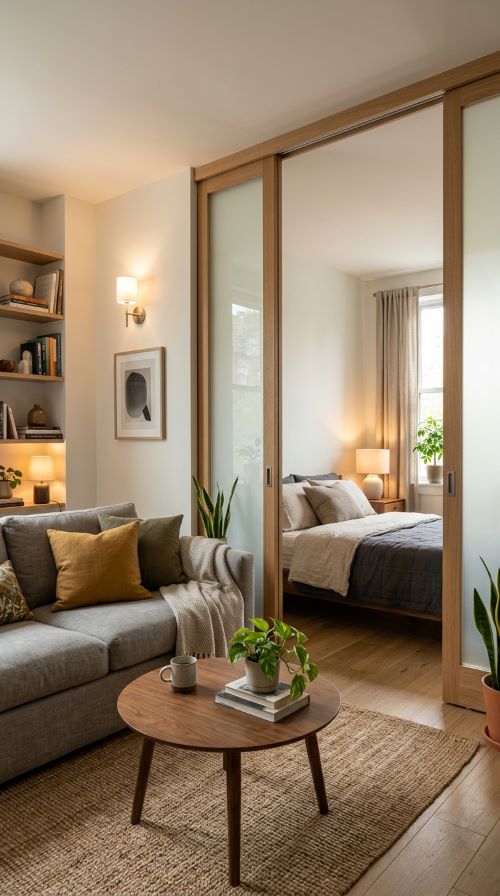
Sliding door dividers help separate areas without taking up extra floor space. Unlike traditional doors, they slide along a track, making them ideal for tight layouts.Over time, they create flexible living zones. The room can shift from open to private without permanent walls. This helps in homes where one space serves multiple purposes, like sleeping, working, and relaxing. You can close it when you need focus or privacy, then open it again to make the room feel larger and more connected.They also help with sound control and visual separation, which is useful in shared homes or studio apartments. Budget versions made from lightweight wood, frosted glass, or fabric panels can be installed without heavy construction. Even simple sliding curtains on ceiling tracks can give a similar effect if you’re working with a very small budget.When designed well, sliding dividers do more than separate space—they create structure. Instead of one cluttered room doing everything at once, each section feels defined and intentional. This reduces mental clutter as well, because your living, working, and resting areas feel clearly separated even within the same room.
Floating TV Unit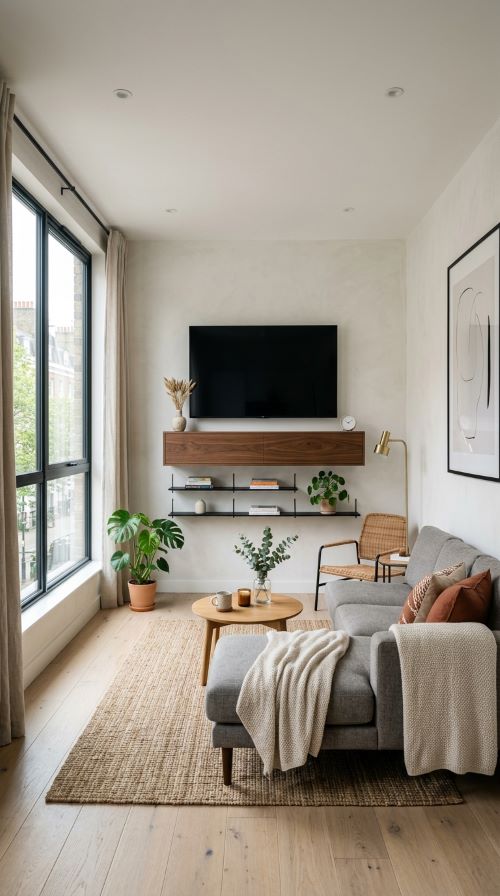
A floating TV unit keeps the floor clear and reduces clutter. Instead of a bulky entertainment stand, wall-mounted shelves hold media devices and small decor items.Over time, this setup makes cleaning easier and keeps the floor open for movement. It also gives the wall a cleaner look, which helps the room feel less crowded. Even small adjustments like hiding cables improve the overall appearance and remove visual mess that often makes small rooms feel tighter than they are.This type of setup also helps you rethink how entertainment areas are organized. Instead of spreading consoles, remotes, and wires across multiple surfaces, everything stays in one compact wall zone. You can even add small floating drawers underneath for extra storage without touching the floor space.For renters, lightweight mounting systems or adhesive brackets can work without major drilling. A floating TV setup doesn’t just save space—it visually stretches the room by keeping sight lines open from floor to ceiling. That simple openness makes a small living room feel less boxed in and more comfortable for everyday use.
Minimalist Decor Approach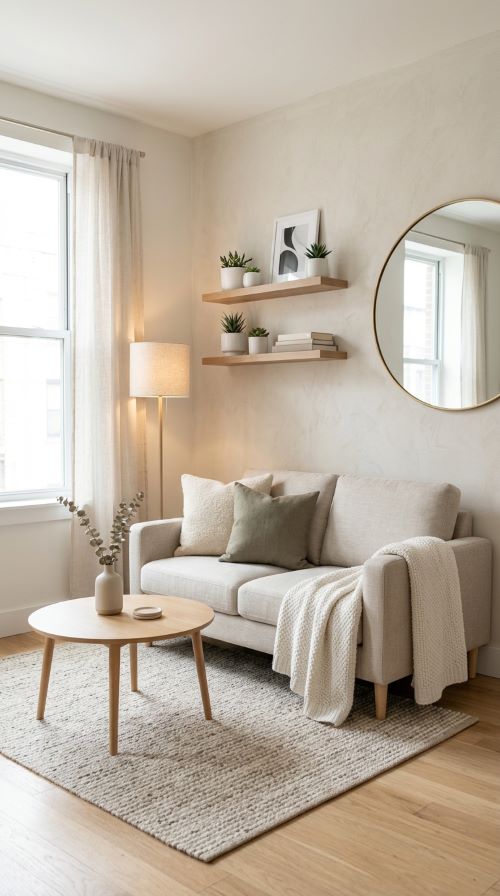
Keeping decor simple helps small rooms feel less crowded. Instead of many decorative items, choose a few meaningful pieces that actually add character to the space.Over time, this approach changes how the room feels on a daily basis. Surfaces stay clearer, and there is less visual noise competing for attention. That makes the room feel calmer and easier to spend time in. It also reduces the feeling of “mess” even when a few things are left out, because the overall setup is already clean and balanced.Minimal decor also makes cleaning faster and less stressful. With fewer objects to move around, wiping surfaces and organizing becomes a quick task instead of a big effort. You can still keep personality in the space through one artwork, a small plant, or a simple table setup, but without overcrowding every corner.Another benefit is flexibility. When your base decor is simple, it becomes easier to change the room’s look without replacing everything. Small swaps like cushions or lamps are enough to refresh the space. Over time, this keeps the living room feeling updated without constant spending or clutter buildup.
Layered Lighting Setup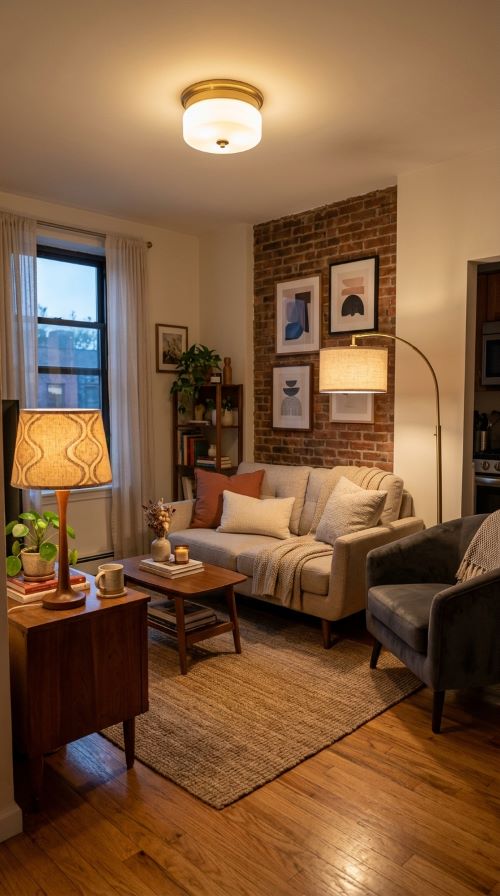
Using different light sources helps control the mood of a small living room. Instead of relying on one harsh ceiling light, combining multiple light points creates balance and softness.Over time, layered lighting makes the space far more usable throughout the day and night. Bright ceiling light works well for cleaning or working, while softer lamps create a relaxed setting for evenings. This flexibility helps the same small room serve multiple moods without feeling uncomfortable or too intense.It also improves the way the room looks visually. Shadows become softer, corners feel less empty, and furniture appears more balanced in the light. This reduces the “flat” feeling that small rooms sometimes have under a single overhead bulb.You don’t need expensive fixtures to achieve this. A simple floor lamp in one corner, a table lamp near seating, and a warm bulb in the ceiling can completely change the atmosphere. Even LED strip lighting behind shelves or TV units can add depth without taking space.Over time, layered lighting becomes one of the easiest ways to make a compact living room feel more welcoming and adaptable without changing any furniture at all.
Under-Sofa Storage Drawers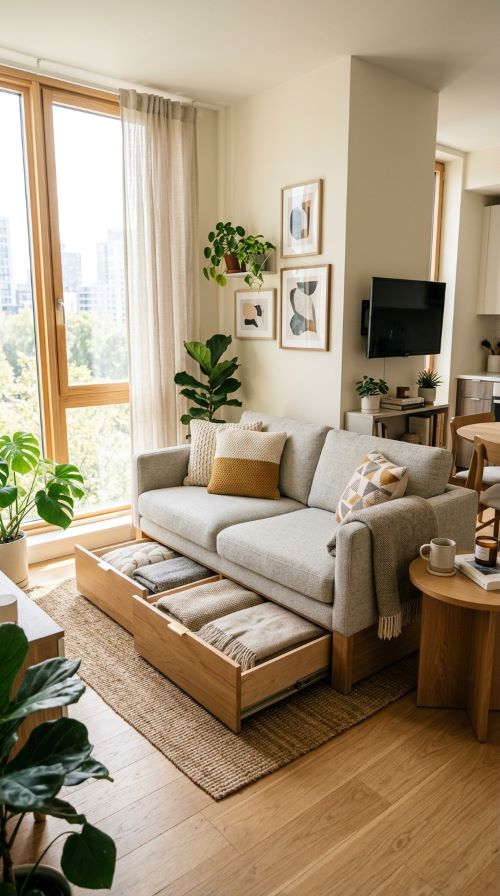
Under-sofa storage uses hidden space that is often wasted. Drawers or low boxes placed under the sofa can hold seasonal items, extra bedding, or things you don’t use daily.Over time, this storage method helps reduce visible clutter in the living room. Instead of adding extra cabinets or baskets that take up floor space, everything stays hidden but still easy to reach. This keeps the room looking cleaner even during busy days when things are not perfectly organized.It also helps with long-term organization habits. When every item has a hidden storage place, it becomes easier to maintain order without constantly rearranging the room. This is especially helpful in small homes where storage is limited and every bit of space matters.DIY versions are simple to create using rolling plastic bins or wooden crates with wheels. They slide in and out easily without disturbing the layout. Some sofas already come with built-in clearance, making it even easier to add storage underneath.Over time, this setup reduces the need for extra furniture and keeps the living room feeling more open and less crowded while still being highly functional.
Compact Sectional Sofa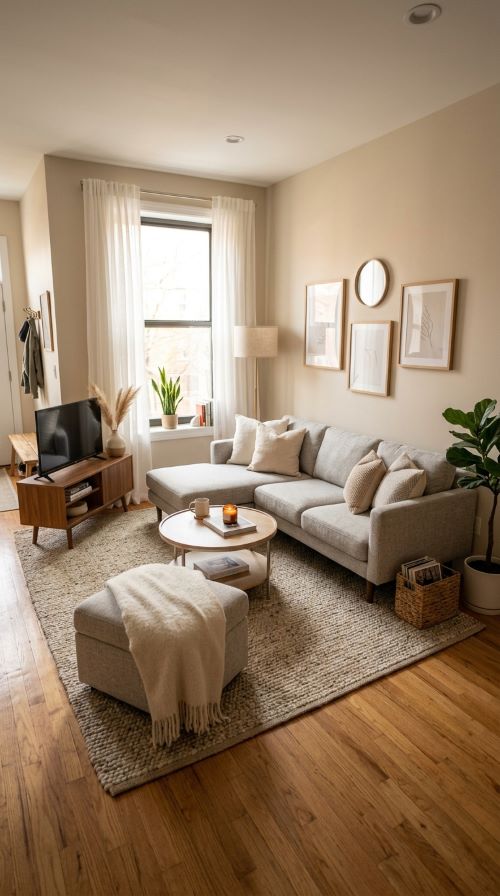
A compact sectional offers more seating without requiring multiple chairs scattered around the room. It fits neatly into corners and uses space that might otherwise go unused.Over time, this type of seating helps organize the entire layout of the room. Instead of random seating arrangements, everything naturally flows around one central area. This creates a more structured living space where walking paths remain clear and movement feels easier.It also improves comfort in daily use. A sectional allows stretching out, sitting with family, or hosting guests without needing extra furniture. Even in small rooms, it can provide a surprisingly functional seating solution if sized correctly.Budget-friendly versions are widely available, and modular designs allow you to adjust the shape based on your room. This flexibility is especially useful in apartments where layouts are not fixed.Over time, a compact sectional becomes the anchor of the room, helping define where relaxation happens while still keeping the surrounding space open and usable.
Transparent Furniture Pieces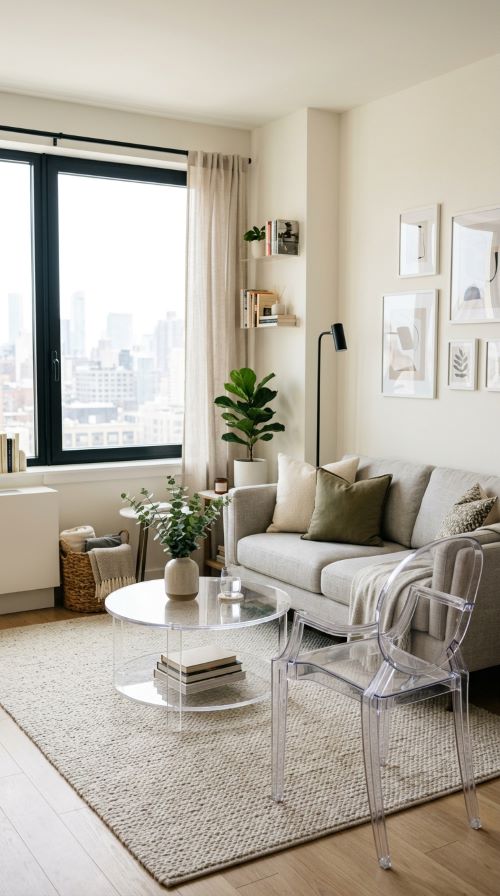
Transparent furniture reduces visual clutter because it does not block sight lines. Acrylic chairs, glass tables, or clear shelving help maintain an open look even when furniture is present.Over time, these pieces make a small living room feel less crowded because the eye can move through them instead of stopping at heavy shapes. This creates a sense of openness that solid furniture often removes in tight spaces.They are especially useful in rooms where multiple furniture pieces are necessary but space is limited. Since they visually “disappear” into the background, the room feels lighter without losing function.Maintenance is simple as well. A quick wipe keeps glass or acrylic surfaces clean, and their simple design blends with almost any decor style. You can mix them with wooden or fabric pieces for balance without overwhelming the space.Over time, transparent furniture becomes a smart choice for maintaining openness while still providing full functionality in compact living rooms.
Wall Hooks and Pegboards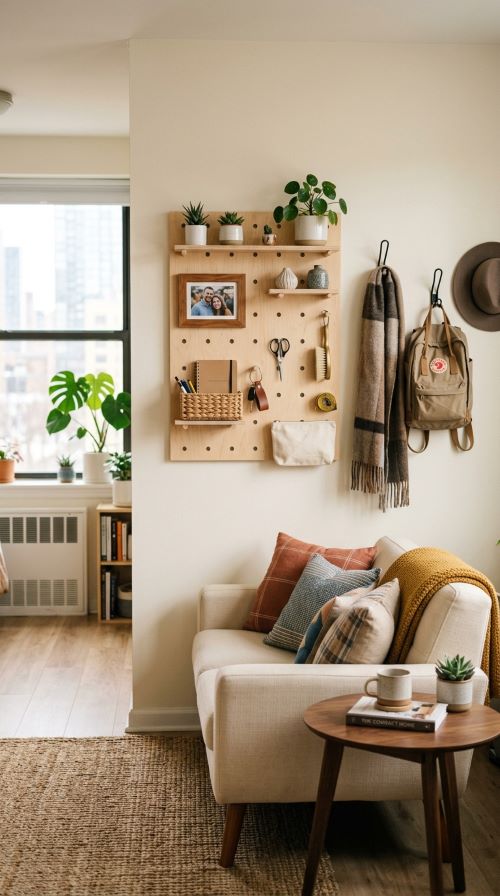
Wall hooks and pegboards add storage without taking floor space. They are perfect for holding small accessories, keys, bags, or lightweight decor items in an organized way.Over time, they help keep everyday essentials in one fixed place instead of spreading across tables and shelves. This reduces clutter and makes the room easier to manage on a daily basis. You always know where things are, which saves time and keeps surfaces clear.Pegboards also offer flexibility. You can rearrange hooks and shelves anytime depending on your storage needs. This makes them useful for changing seasons or different household routines.They are also very budget-friendly and easy to install. Even adhesive hooks can work in rented spaces without damaging walls. A small section of wall can instantly become a functional storage area.Over time, this simple system creates better organization habits and frees up valuable furniture space, making the living room feel more open and efficient.
Window Seating Bench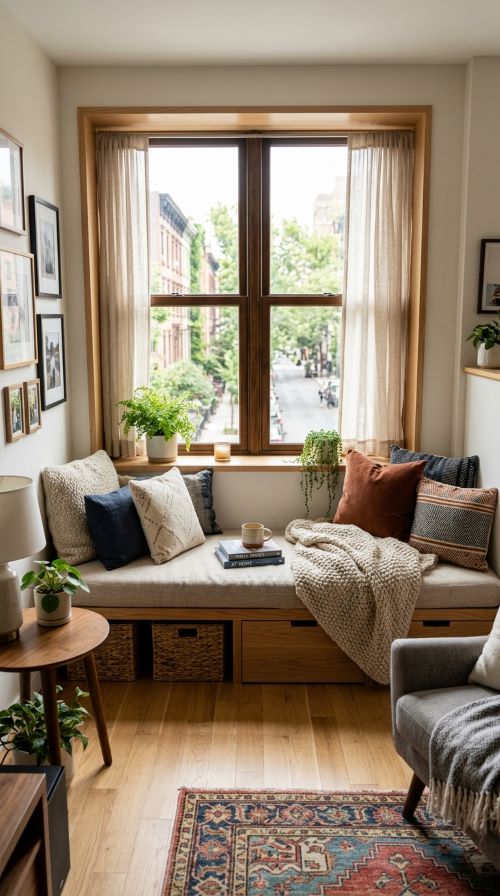
A window bench uses natural light areas for seating, turning an often-unused spot into a comfortable and functional corner. It adds a cozy place to sit, read, or relax while enjoying daylight.Over time, this becomes one of the most relaxing spots in a small living room. Natural light makes the space feel calm, and having a dedicated seating area near the window creates a sense of openness even in compact layouts. It also helps reduce the need for extra chairs or bulky seating furniture elsewhere in the room.Many window benches can be designed with built-in storage underneath. This allows you to store items like blankets, books, or seasonal decor while still keeping everything hidden. It adds function without adding clutter.Even in rental spaces, a simple wooden bench with cushions placed under a window can create a similar effect without permanent changes. Over time, this area often becomes a favorite corner of the home because it combines light, comfort, and practicality in one small but meaningful space.
Final Words
Small living rooms work best when every choice supports space, flow, and comfort. Instead of filling the room, focusing on smart storage, lighter visuals, and flexible furniture creates a more usable environment. Even small adjustments like mirrors, vertical storage, or hidden compartments can change how the space feels day to day. Over time, these ideas help reduce clutter and make the room easier to maintain. The result is a living area that feels open, practical, and comfortable without requiring major changes or high spending.