12 Minimalist Home Decor Ideas That Declutter and Elevate Your Space
A clean, uncluttered home changes how a space feels day to day. It becomes easier to think, relax, and move without visual noise pulling attention in every direction. Minimalist home decor is not about removing personality. It is about keeping only what serves a purpose or brings quiet comfort. Small changes like lighter colors, smarter storage, and fewer decorative items can make rooms feel more open without expensive renovations. This guide walks through practical ideas that help simplify your surroundings while keeping your home warm, lived-in, and functional.
Neutral Color Palette Walls
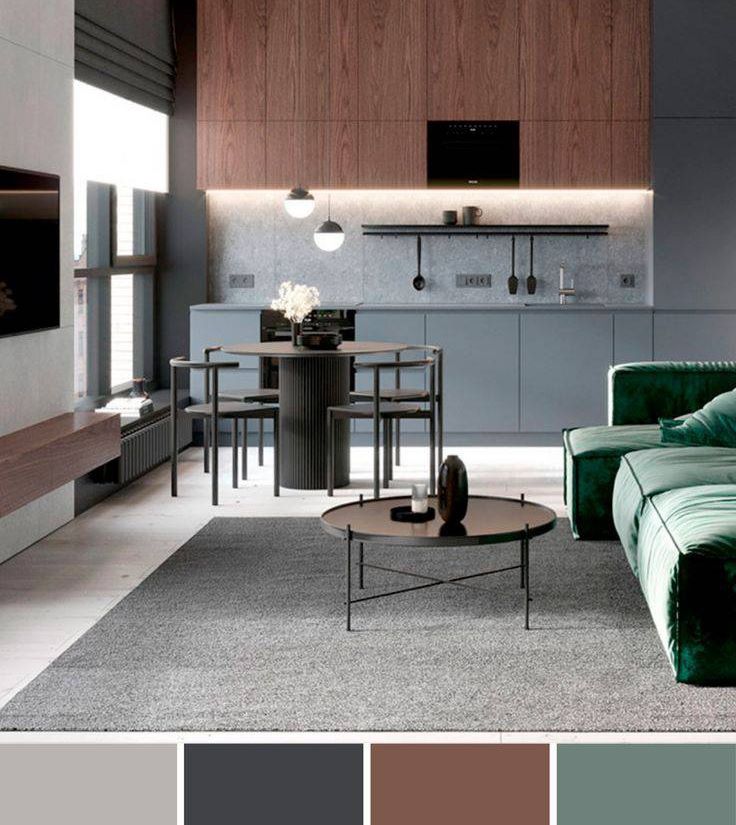
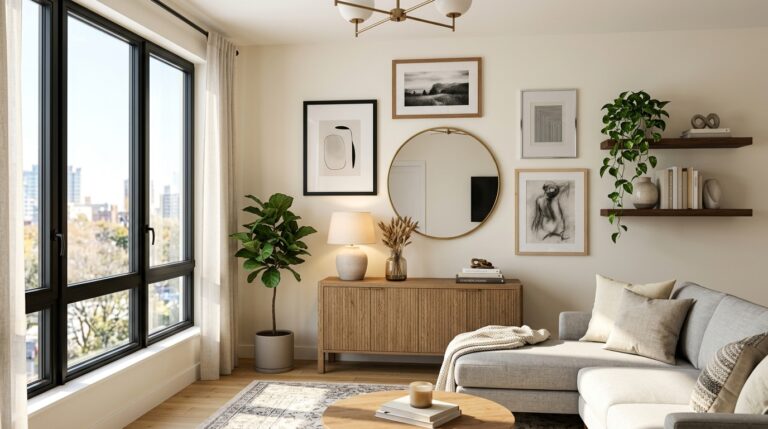
Walls set the tone for the entire room. A neutral palette works well because it keeps visual noise low and allows furniture and light to stand out naturally. Think soft beige, warm white, muted gray, or sandy tones. These shades help create calm without feeling cold.You do not need a full repaint to start. Even one accent wall in a softer tone can shift the mood of the space. If painting is not an option, removable wallpaper in light textures is a budget-friendly choice.Keep wall decor minimal. One framed print or a simple mirror is enough for most spaces. Avoid filling every blank area. Empty wall space actually helps the room breathe.If you already have colorful furniture, neutral walls help balance it out. If your furniture is neutral too, the whole space becomes more unified.This approach also works well for renters. It keeps things simple while still allowing personality through small accents like cushions or vases.
Decluttered Entryway
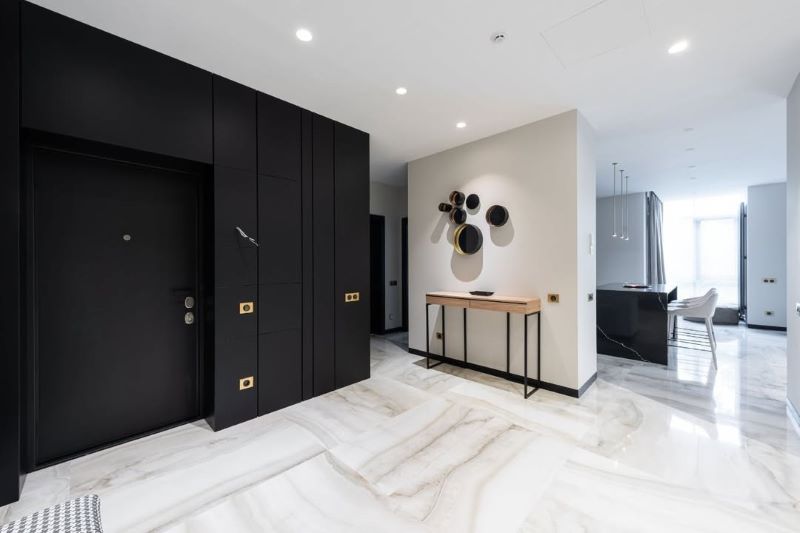
The entryway sets the first impression of your home. If it feels crowded, the rest of the house often feels the same. Start by removing items that do not belong there, like extra shoes or random bags.Keep only daily essentials. A simple bench, a few hooks, and a small tray for keys are enough. This setup keeps things practical without looking messy.Shoes should have a designated spot. A slim shoe rack or under-bench storage works well in small spaces. Avoid stacking items in corners.Add one small decor piece, like a plant or a simple mirror. A mirror also helps reflect light, making the space feel open.If your entryway is tight, wall-mounted storage is your best option. It keeps the floor clear and easier to clean.This small change sets a calmer tone when entering and leaving the home every day.
Low-Profile Sofa Setup
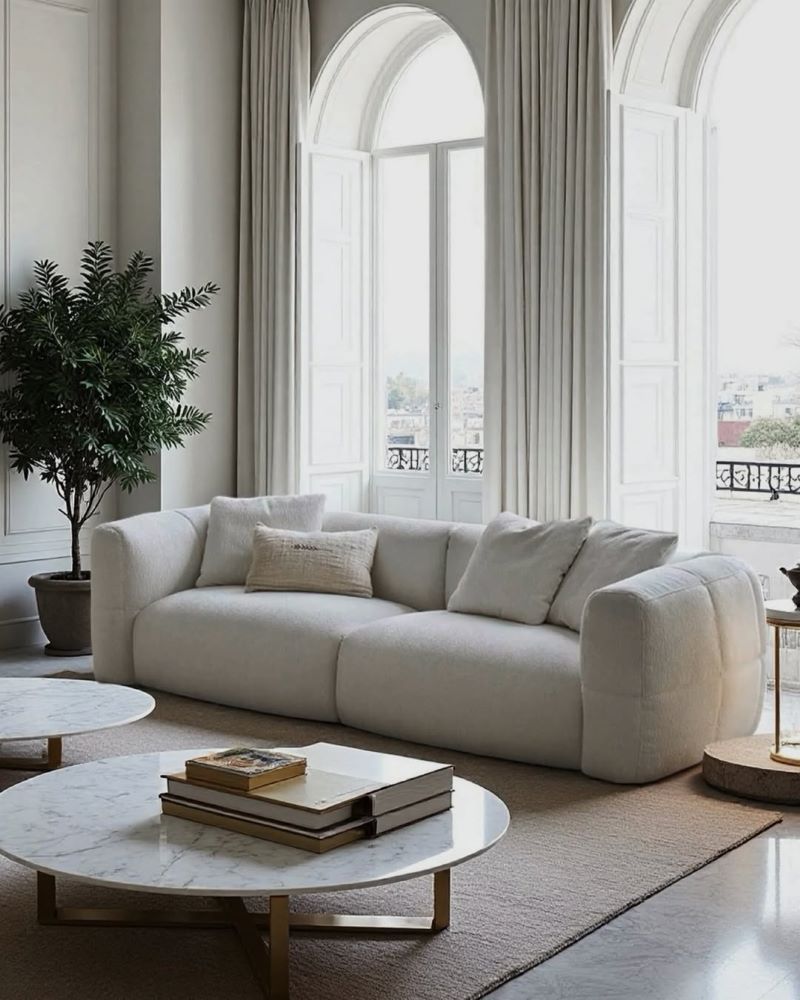
A bulky sofa can dominate a room. A low-profile sofa helps open up visual space and keeps the layout light. Choose simple shapes with clean lines and neutral fabric.Avoid heavy patterns. Solid tones like beige, light gray, or muted brown work best. These colors blend into the background instead of standing out too much.Keep surrounding furniture simple. A small coffee table with straight edges works better than oversized designs. Glass or wood materials both fit well.Leave space around the sofa. Crowding it with extra chairs or side tables can make the room feel tight.If buying new furniture is not an option, rearranging what you already have can help. Try placing the sofa against a wall or near natural light.A low-profile setup also improves movement flow in the room. It makes the space easier to walk through and visually lighter.
Hidden Storage Furniture
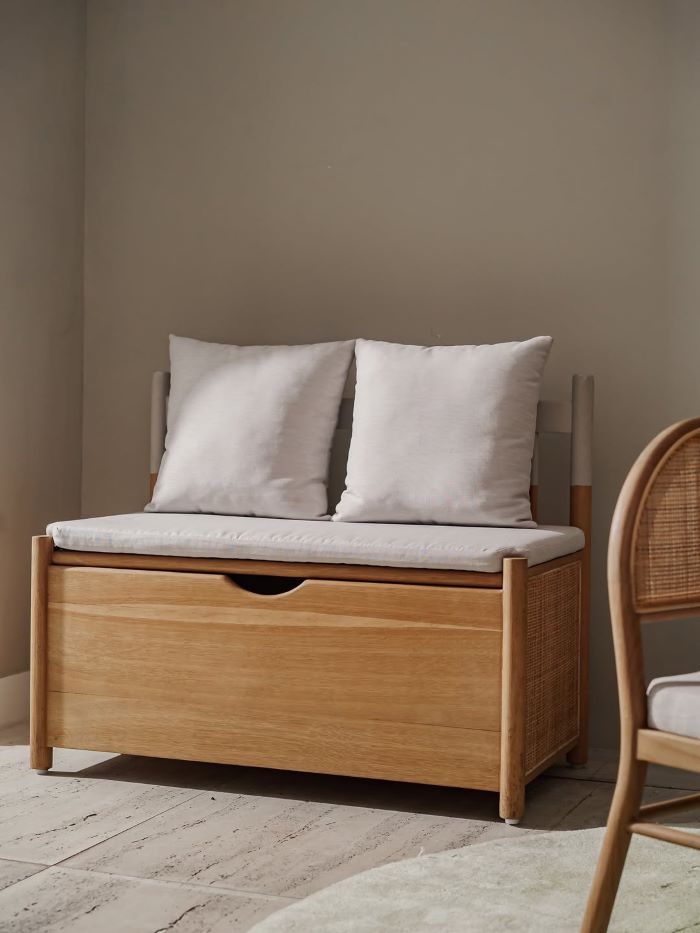
Hidden storage keeps clutter out of sight without removing functionality. Furniture with built-in compartments is a simple way to keep surfaces clean.Look for ottomans that open up, coffee tables with drawers, or beds with storage underneath. These pieces serve double purpose without adding bulk.You can also upgrade existing furniture. Adding storage boxes under a bench or inside cabinets helps reduce visible mess.Keep items grouped by category. For example, store books in one section and electronics in another. This makes things easier to find later.Avoid overfilling storage spaces. If it becomes hard to close, it defeats the purpose of simplicity.Hidden storage works best when paired with a “one in, one out” habit. If something new comes in, something old should leave.This method keeps rooms looking tidy without constant effort.
Open Shelving with Few Items
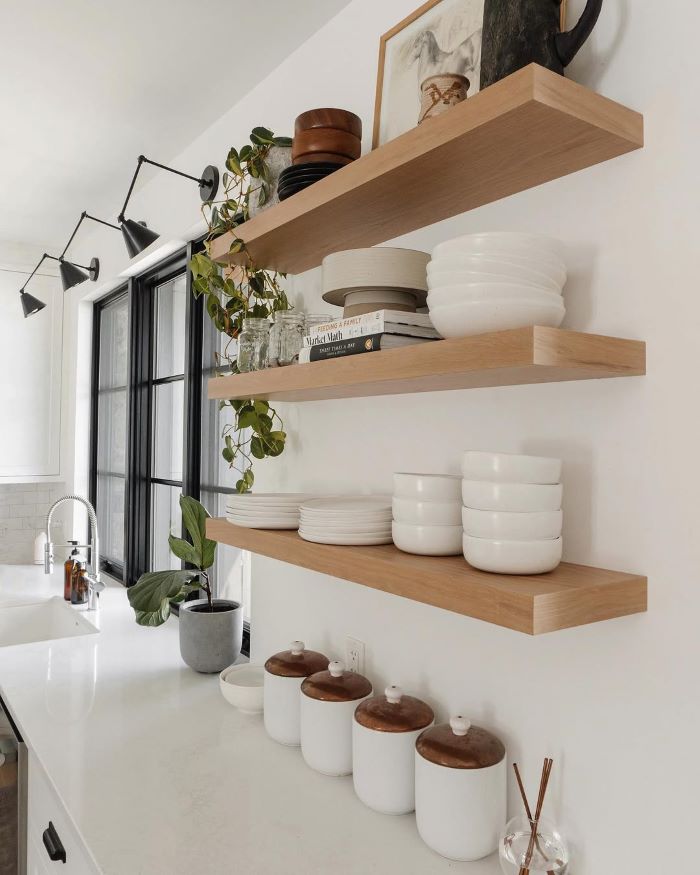
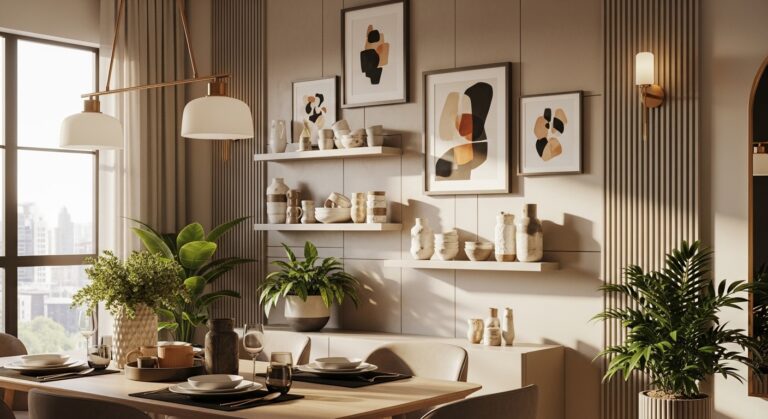
Open shelves can look clean or crowded depending on how they are used. The key is restraint. Only display a few items per shelf.Mix functional and decorative pieces. A small stack of books, a ceramic vase, or a glass jar works well. Leave empty space between items.Stick to a consistent color palette. Neutral or earthy tones help shelves feel organized instead of busy.Avoid filling every section. Empty areas create balance and reduce visual stress.Rotate items occasionally instead of adding more. This keeps the look interesting without increasing clutter.If shelves feel overwhelming, remove half of what is displayed. You will often find the space looks better instantly.Open shelving should feel intentional, not like storage overflow.
Natural Light Maximization
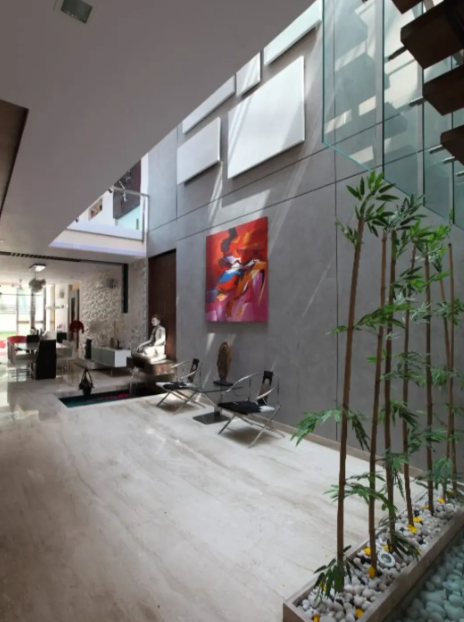
Natural light changes how a room feels more than any decor piece. Start by keeping windows as open as possible during the day.Use light curtains instead of heavy drapes. Sheer fabrics allow sunlight in while keeping privacy.Place mirrors across from windows to reflect light deeper into the room. This makes small spaces feel larger.Avoid blocking windows with tall furniture. Keep that area open for airflow and brightness.Light-colored walls and furniture also help reflect sunlight better.If your room is dark, trimming nearby outdoor plants can also improve light flow.Good lighting reduces the need for extra decorative elements. The room naturally feels more open and calm.
Simple Wall Art Grid
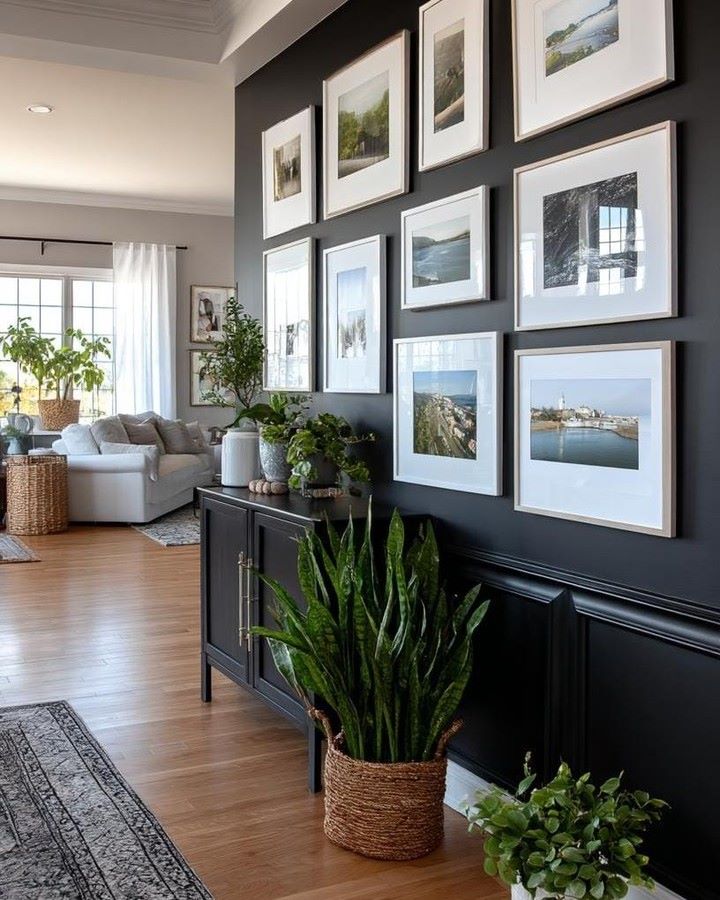
Wall art works best when kept simple and organized. A grid layout of a few frames creates structure without clutter.Choose black-and-white or soft-toned prints. Keep themes consistent, like nature, architecture, or abstract lines.Avoid mixing too many styles. It can quickly feel chaotic.Spacing matters. Equal gaps between frames help the wall look balanced.Start with just two or four frames. You do not need a full wall to make an impact.If framing is expensive, printable art from online sources is a low-cost option. Simple frames from budget stores work well.Less artwork often feels stronger than a full wall.
Floor Plants Minimal Selection
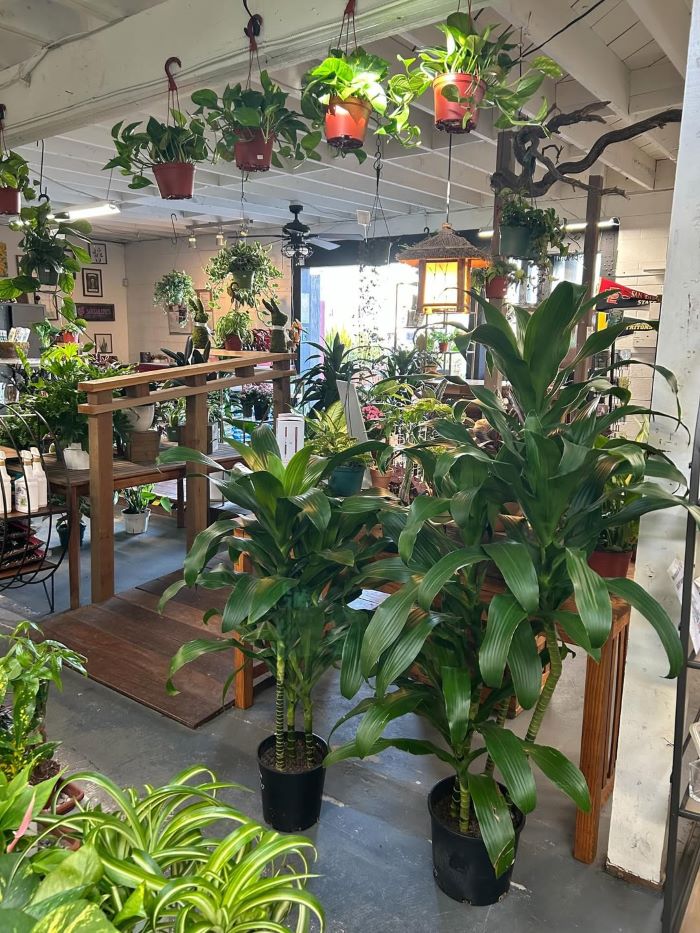
Plants add life to a room, but the key in minimalist styling is restraint. One or two floor plants per room is enough to create a calm, natural feel without visual overload.Start with reliable, low-maintenance options like a snake plant or rubber plant. These stay visually clean, grow slowly, and do not demand constant care. If you are new to plants, this reduces stress and keeps things simple.Pot selection matters more than people think. Stick to ceramic, matte white, soft gray, or natural clay. Avoid bright colors or detailed patterns because they can pull attention away from the space itself.Placement should feel natural, not forced. Corners, beside a sofa, or near a window are ideal spots. These areas already have negative space, so the plant fills them without crowding.Avoid mixing too many plant types in one room. It can start to feel like a small indoor garden instead of a calm living space. One tall plant can often replace several small decorative items while still bringing freshness.
Cable Management Hidden Tech
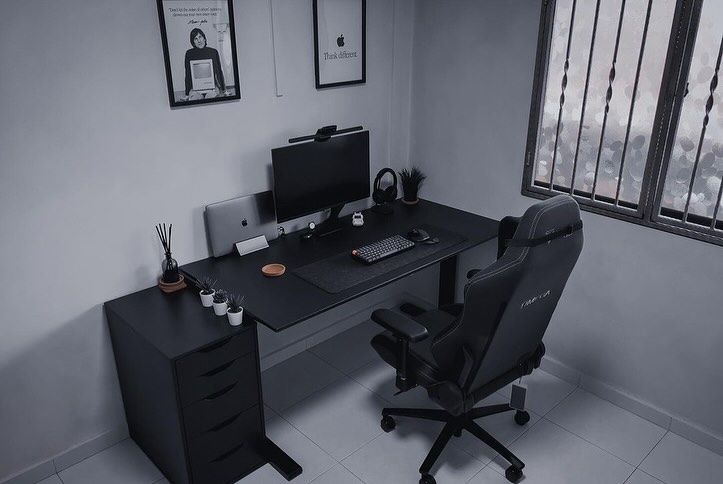
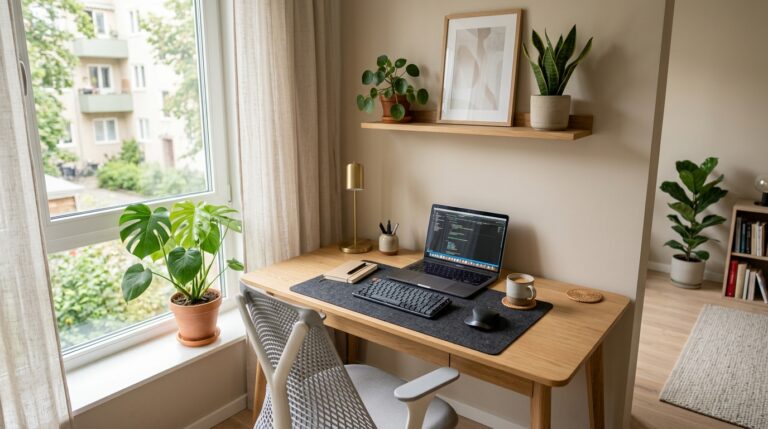
Cables are one of the fastest ways a clean space turns messy. Even a well-designed room can feel cluttered if wires are visible everywhere. Managing them creates instant visual relief.Start by grouping cables that belong together. Then route them behind furniture or along walls using clips or adhesive organizers. This keeps them out of sight but still accessible.Wireless tools also help reduce clutter. Wireless keyboards, mice, and headphones cut down the number of visible cords on desks. Even switching one or two devices makes a difference.Charging stations should be hidden when possible. A drawer, basket, or small box can hold chargers and power strips without exposing everything.Labeling cables is useful if you have multiple devices. It avoids confusion and prevents unnecessary unplugging.Zip ties or Velcro straps are simple but effective. They keep cords tight and controlled.When cables disappear from view, the entire room feels calmer and more intentional.
Bedside Minimal Nightstand
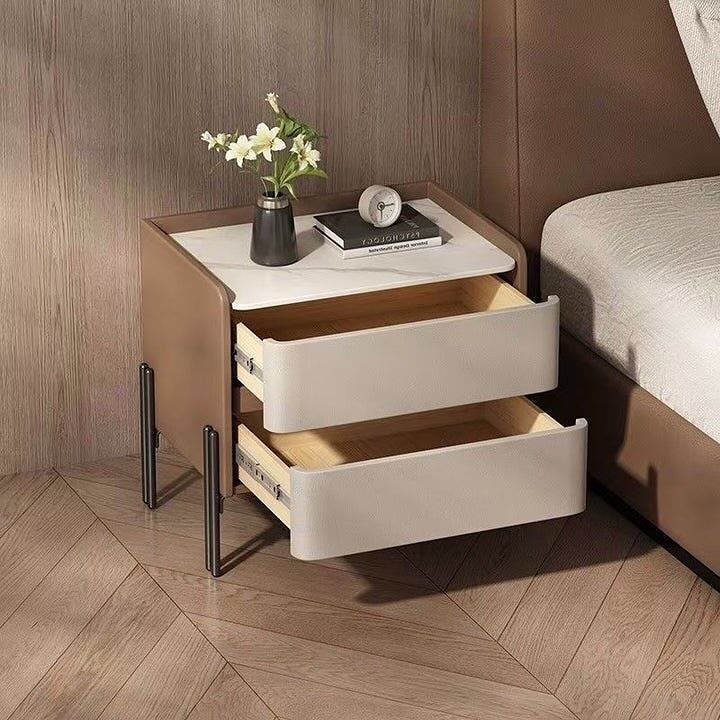
A nightstand often becomes a dumping spot for random items. Phones, chargers, skincare products, receipts—everything ends up there. Cleaning this area changes the feel of your bedroom quickly.Keep only three things on top: a lamp, one reading item, and one small personal object like a candle or small tray. That is enough for function and comfort.If your nightstand has drawers, use them wisely. Store chargers, medication, or daily essentials inside instead of on top. This keeps the surface visually calm.Avoid stacking books or adding extra decor pieces. The goal is open surface space, not decoration overload.Lighting plays a big role too. A soft warm lamp creates a relaxing mood before sleep and reduces the need for extra items like multiple lamps or lights.If space is tight, wall-mounted shelves work well. They free up floor space and still provide storage.A clean nightstand makes the entire bedroom feel more restful.
Japandi Style Fusion
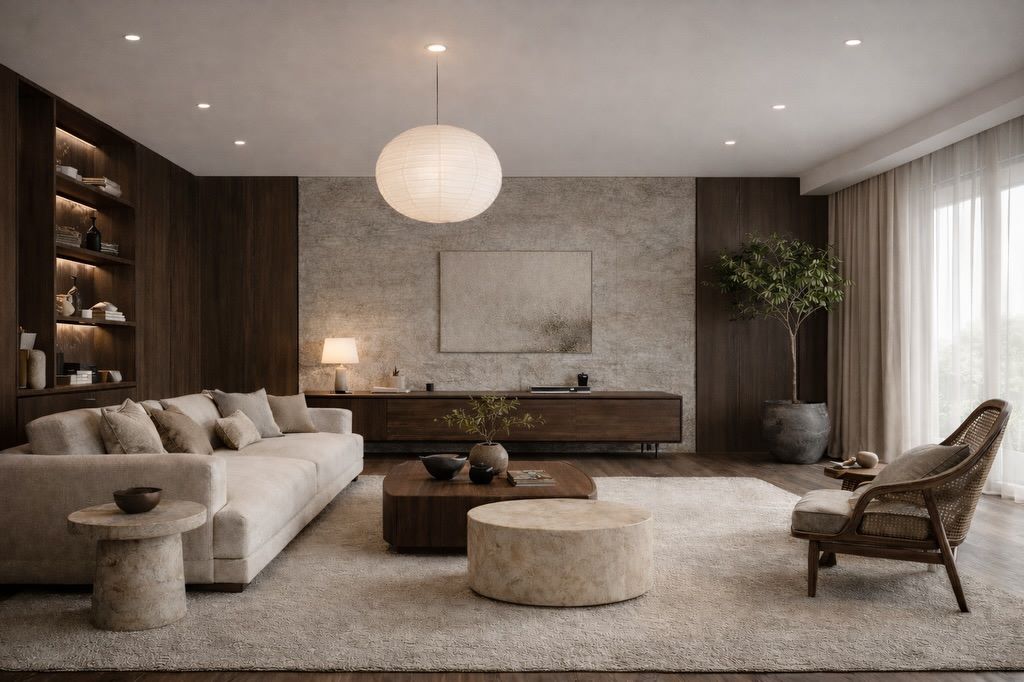
Japandi style combines Japanese simplicity with Scandinavian warmth. It focuses on calm structure, natural materials, and soft neutral tones.Wood is a major element here. Light oak, ash, or walnut furniture creates warmth without heaviness. Pair it with linen fabrics and soft cotton textures.Furniture should stay low and simple. Low beds, simple sofas, and clean-lined tables help the room feel grounded and open.Decor should be minimal but meaningful. Instead of many objects, choose one or two pieces that feel intentional—like a ceramic vase or a handmade bowl.Color choices stay muted. Think beige, cream, soft brown, and muted gray. These tones work together without visual conflict.Avoid shiny finishes or heavy patterns. The goal is calm consistency, not decoration variety.Japandi works well because it balances comfort with restraint. The space feels lived-in but never crowded.
Textured Neutral Rugs
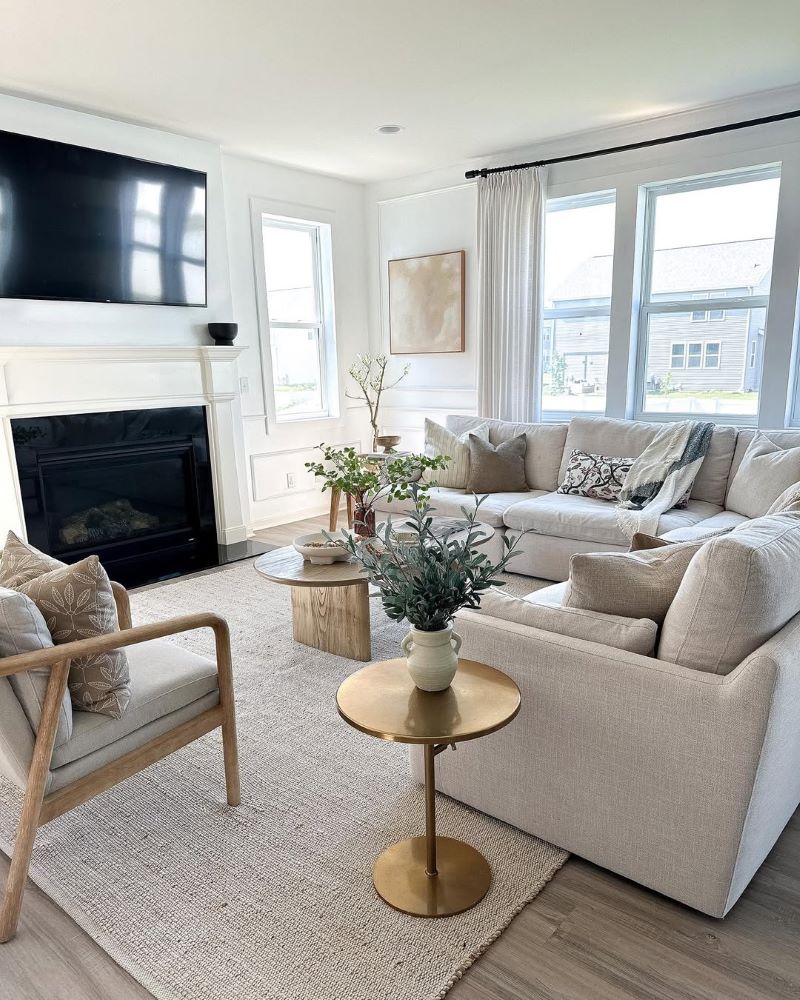
A rug can either ground a room or overwhelm it. In minimalist design, texture matters more than pattern.Choose rugs in soft neutral tones like ivory, sand, or light gray. These colors blend into the space without drawing attention away from furniture.Texture adds depth without visual noise. Look for woven, wool, or subtle ribbed designs. These keep things interesting without being loud.Size is important. A rug that is too small makes the room feel broken. A slightly larger rug that sits under key furniture pieces creates unity.Avoid bold prints or heavy patterns. They tend to dominate the floor and clash with minimalist goals.If you want variety, layer texture through materials instead of patterns. For example, pair a wool rug with a wooden table and linen sofa.A well-chosen rug quietly anchors the room.
Final Words
Minimalist home decor works best when every item has purpose and space is respected. Instead of filling rooms, focus on clearing them. Small adjustments like reducing objects, simplifying colors, and improving storage can change how a home feels without major effort. Over time, these choices create a living space that feels easier to maintain and more comfortable to spend time in.