13 Budget Home Decor Ideas That Add Luxury Vibes On A Low Budget
A home can feel refined without large spending when small styling choices are handled thoughtfully. Many everyday spaces already have the basics in place, and the difference usually comes from how things are arranged, layered, and paired together. Budget-friendly decor is less about buying new items and more about using light, texture, and simple objects in a smarter way. This guide focuses on practical ideas that work in real homes, especially small apartments, where every corner matters. Each idea here can be done gradually, using affordable materials, secondhand finds, or simple DIY adjustments that change the mood of a room without heavy cost or complex effort.
Mirror Layering Wall Decor
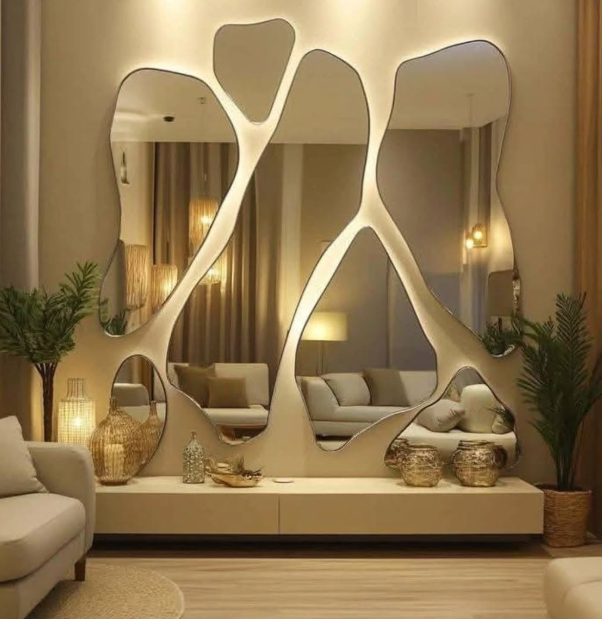
Layering mirrors on a single wall can change how a room feels without needing expensive decor pieces. Instead of using one large mirror, combining different shapes like round, oval, and rectangular mirrors creates depth and gives a styled look that feels intentional. These mirrors do not need to match perfectly; slight differences actually make the arrangement more natural and visually interesting. You can find affordable mirrors in thrift shops, local markets, or discount home stores, and even older mirrors can be reused by cleaning or repainting their frames. Light-colored walls work especially well because the reflections help spread natural light across the room, making the space feel more open during the day. This setup is useful in living rooms, entryways, or even bedrooms where a plain wall feels empty. The arrangement can be changed anytime without damage, making it flexible for renters or people who like to refresh their space often without spending much.
Peel-and-Stick Wallpaper Accent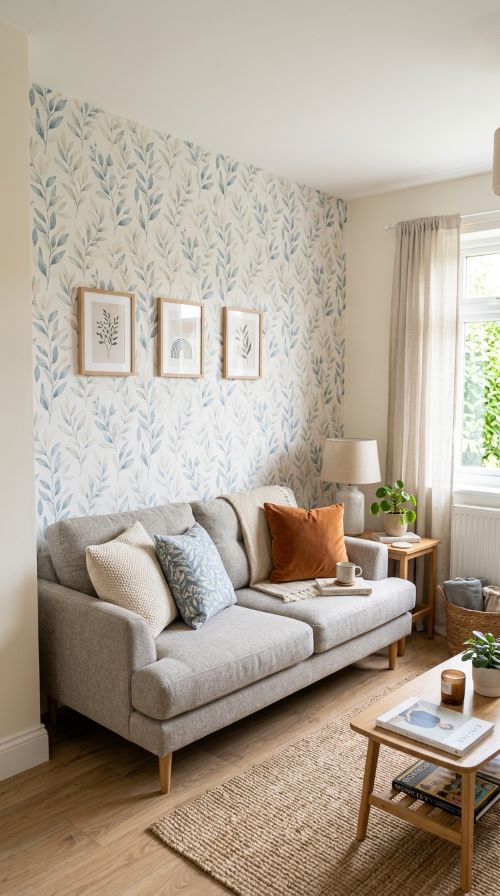
Peel-and-stick wallpaper is a simple way to change a plain wall into something more styled without painting or renovation work. It comes in many patterns like soft marble, light florals, or textured finishes, allowing you to choose a design that fits your room mood. Instead of covering every wall, using it on just one feature wall works better for keeping the space balanced and not visually heavy. Common placements include behind a sofa, bed, or TV area where the wall naturally draws attention. Application is straightforward; the surface only needs to be clean and dry before sticking the sheets carefully in alignment. If a section is placed incorrectly, it can be removed and adjusted, which makes it beginner-friendly. This option is also helpful for rental homes where permanent changes are not allowed. Even a small wall section can shift the atmosphere of a room and make it feel more styled without requiring extra furniture or decoration.
Thrifted Frames Gallery Wall
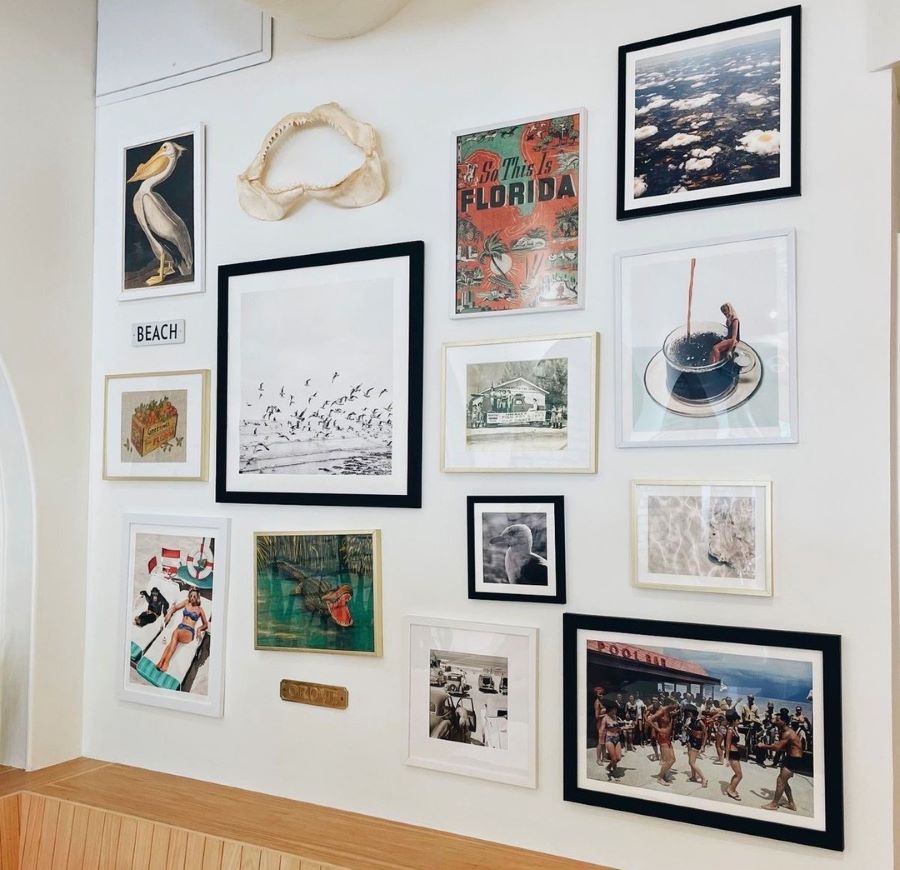
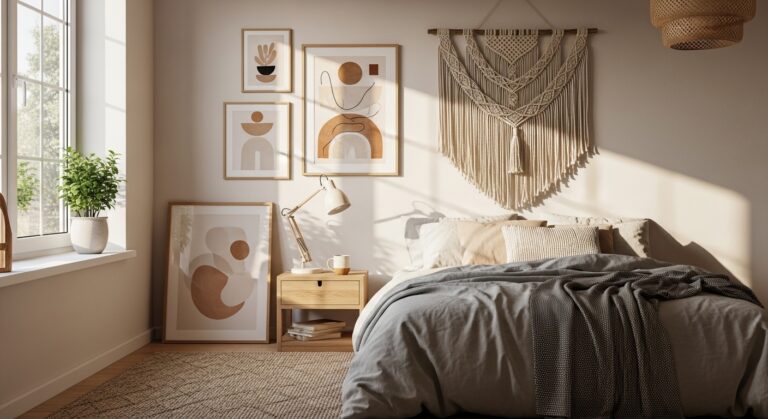
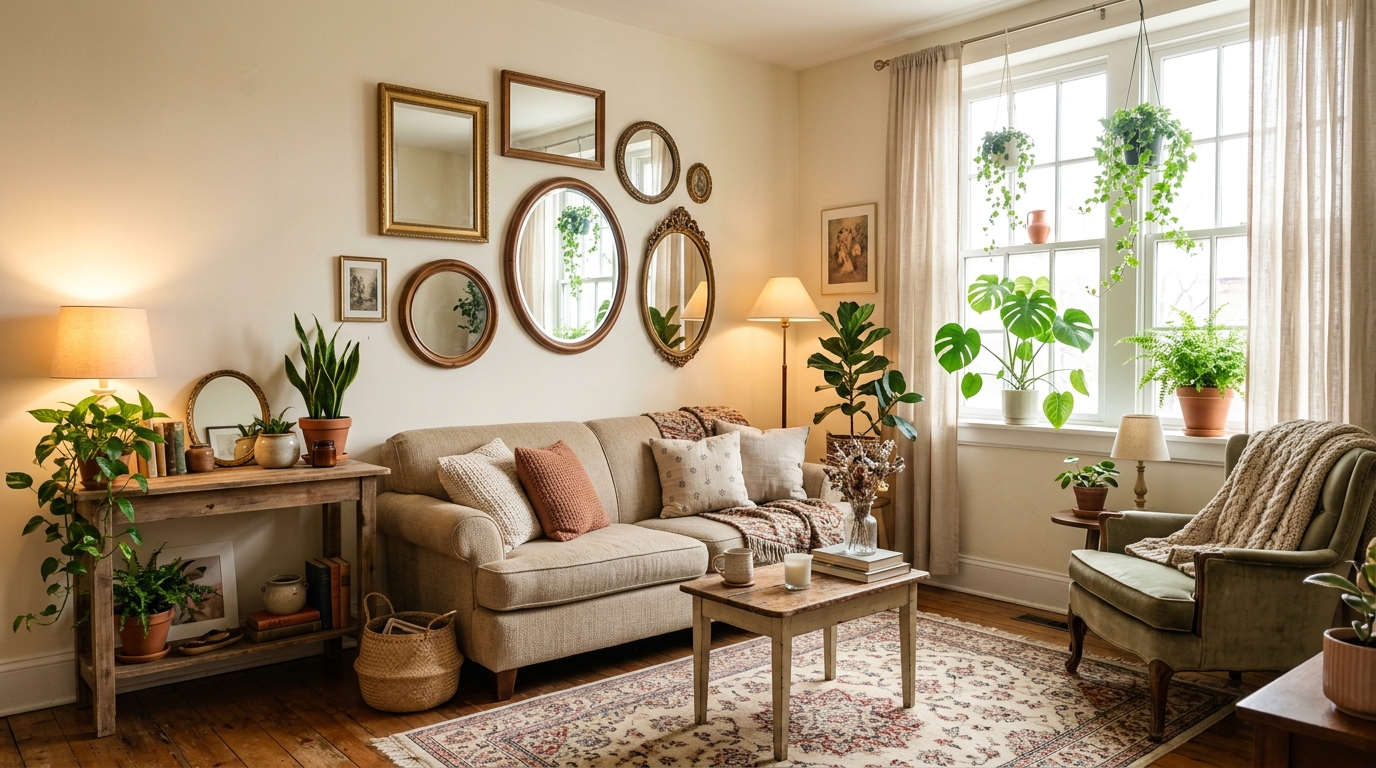
A gallery wall made from thrifted frames is an easy way to add personality to a room without spending much. Secondhand markets often have frames in different shapes and finishes, and mixing them together creates a relaxed, lived-in look. The key is not perfection but balance in spacing and layout. Before hanging anything, placing the frames on the floor helps in arranging a layout that feels visually steady. Some frames can hold photos, while others can stay empty or contain simple prints, fabric pieces, or paper art. Keeping a shared tone in colors or using one paint shade for all frames can tie everything together without making it look crowded. This setup works well in hallways, stair walls, or living rooms where an empty wall feels plain. Over time, more frames can be added or swapped, allowing the display to grow naturally without needing a full redesign.
Warm String Lighting Decor
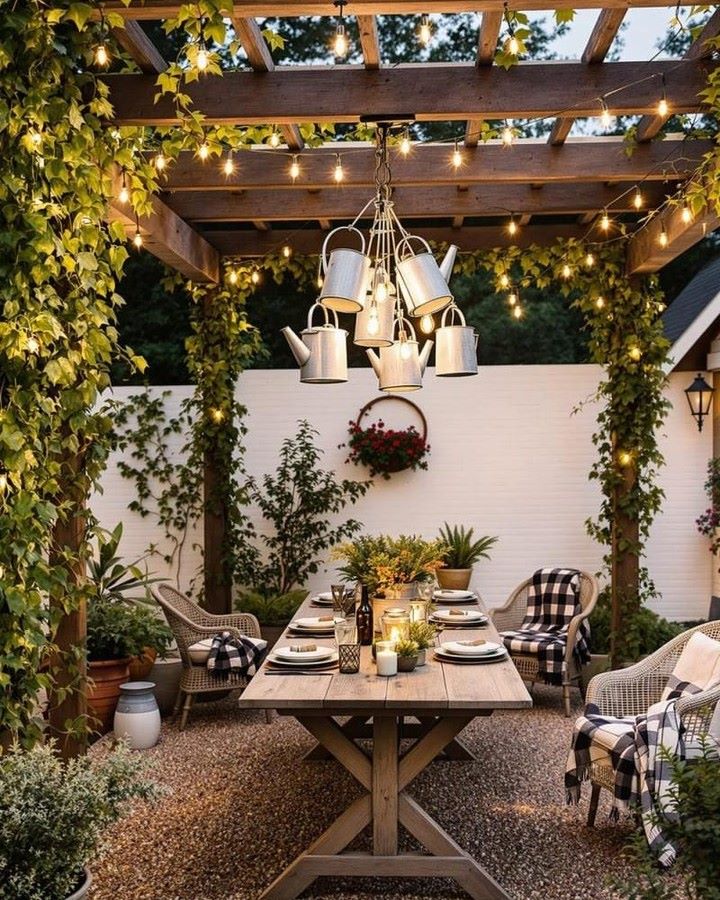
String lights are a low-cost way to change the mood of a room, especially in the evening. Their soft glow creates a calm atmosphere without needing expensive lighting fixtures. They can be placed along headboards, wall edges, shelves, or even around mirrors depending on the space layout. Battery-operated or plug-in options both work, making them flexible for different room setups. The warm white tone is usually preferred because it avoids harsh brightness and gives a relaxed feel. Small clips or adhesive hooks are enough to keep them in place without damaging walls. In small rooms, string lights also help reduce the need for multiple lamps, saving both space and cost. They are often used in bedrooms, study corners, or cozy reading areas where softer lighting feels more comfortable. Even a simple arrangement can shift how a room feels at night without adding clutter.
DIY Cushion Covers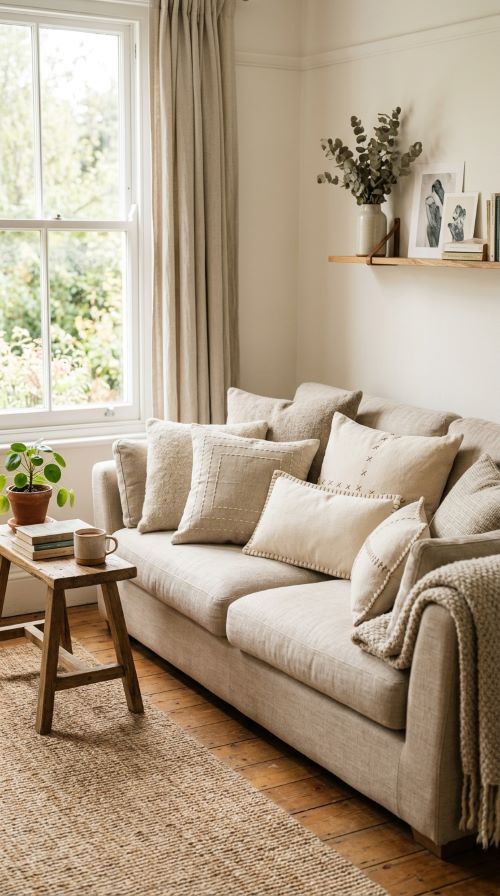
Changing cushion covers is one of the simplest ways to refresh a sofa or bed setup without buying new furniture. Old fabrics like unused bedsheets, curtains, or cotton clothes can be turned into covers with basic stitching or even fabric glue for no-sew versions. This makes it an affordable and creative option for updating room colors and textures. Mixing plain fabrics with lightly patterned ones adds variety without making the space look busy. Neutral shades often work best because they blend easily with existing furniture, but soft pastel tones can also bring a fresh feel. Cushion covers are practical because they can be removed and washed easily, keeping the room neat without extra effort. This idea works well for people who like to change room themes seasonally without spending much. Even small updates in cushions can shift the overall look of a living area or bedroom.
Indoor Plants Budget Decor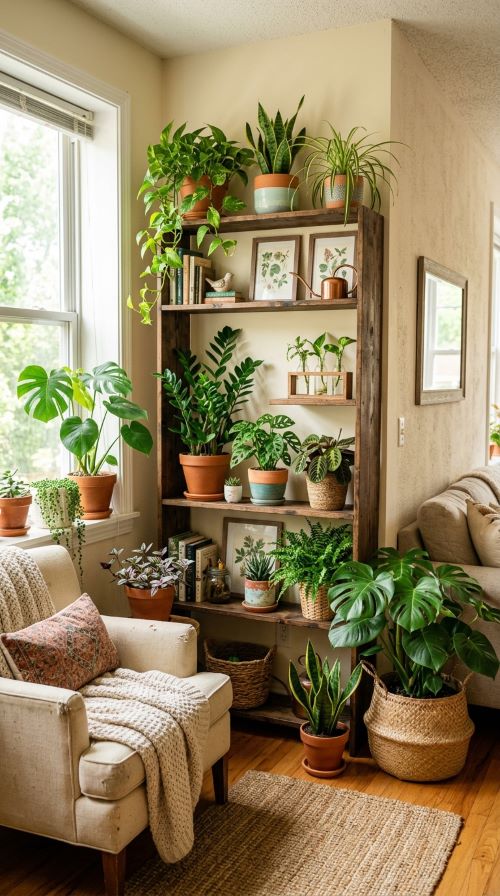
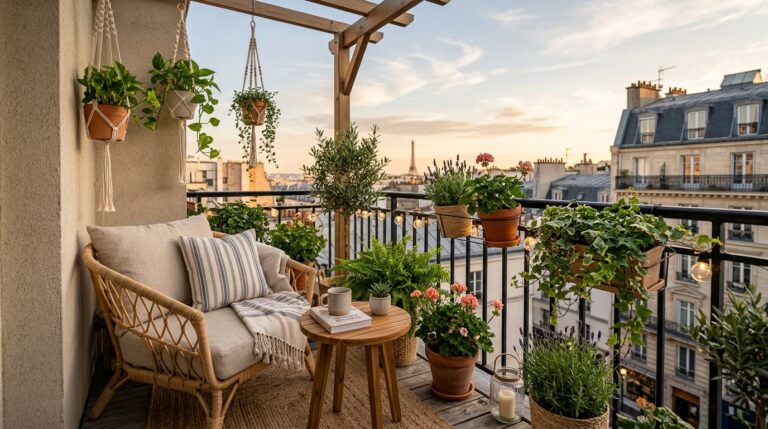
Indoor plants are an affordable way to add life to a room without heavy decor spending. Simple plants like pothos, snake plants, or money plants are widely available and easy to maintain, making them suitable even for beginners. Instead of buying expensive pots, everyday containers like glass jars, clay pots, or repurposed cups can be used. Grouping small plants together in one corner or placing them at different heights creates a fuller and more balanced look. Natural light near windows is usually enough for most indoor plants, and even low-light areas can support certain varieties. Plants also help soften the appearance of furniture and walls, making spaces feel more relaxed. Many people also grow new plants from cuttings shared by friends, which keeps costs almost zero. This is a simple way to introduce greenery into a home without needing decorative accessories.
Painted Accent Wall
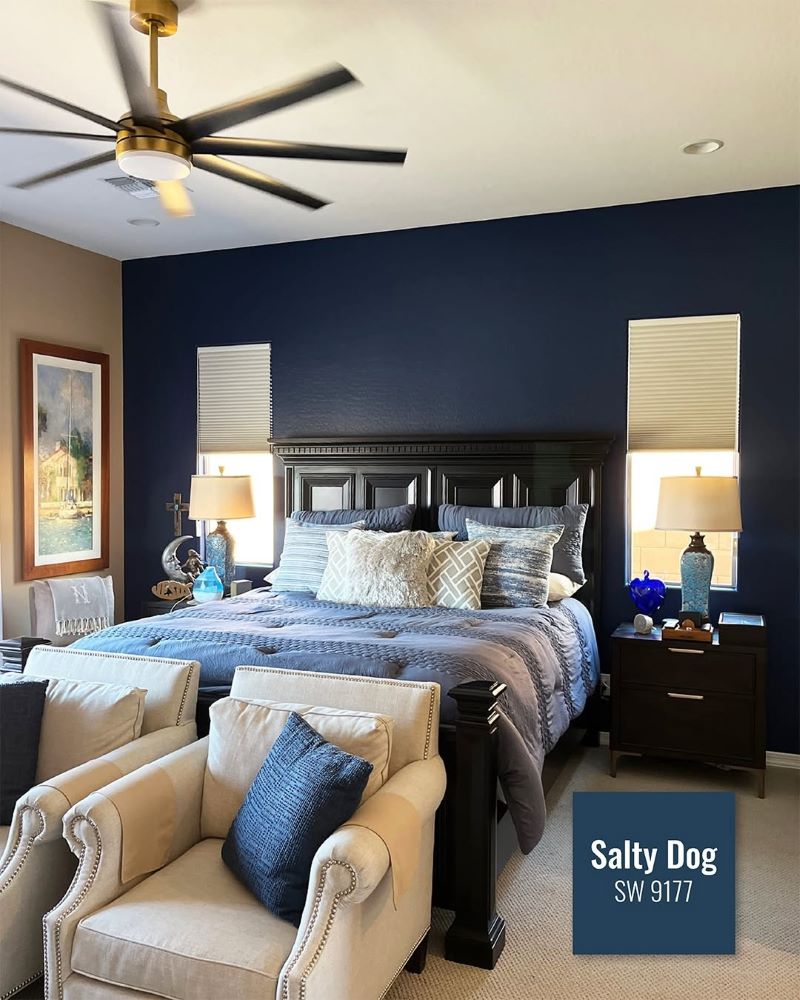
Painting a single wall is a low-cost method to change the feel of a room quickly. Instead of repainting the entire space, focusing on one wall helps create a visual point without extra expense. Soft shades like beige, muted green, or warm grey work well because they blend easily with most furniture styles. The other walls can remain neutral to keep the balance simple. This approach is often used behind sofas, beds, or desks where attention naturally falls. The process does not require professional help; basic tools like paint rollers, tape, and brushes are enough. Even a small color change can make a room feel more structured and styled. It is also useful for renters who want a noticeable change without altering the entire space. Over time, the color can be updated if a new look is desired.
Faux Marble Contact Paper
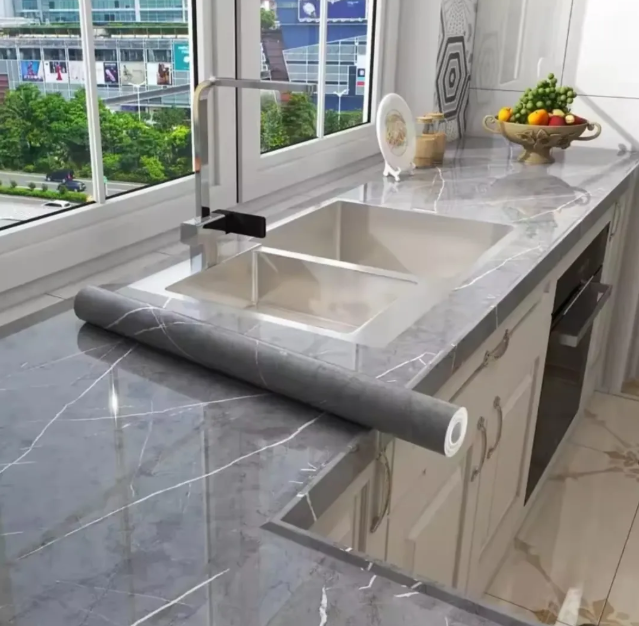
Faux marble contact paper is a budget-friendly option for refreshing surfaces like tables, shelves, or countertops. It gives the appearance of polished stone without the cost of real materials. Application is simple; the surface just needs to be cleaned before carefully applying the sheet and smoothing out air bubbles. It works especially well on small furniture pieces such as side tables or kitchen counters where wear and tear is visible. This material can be cut to fit different shapes, making it flexible for various home projects. It is also temporary, so it can be replaced when a new style is wanted. Many people use it to refresh older furniture that still functions well but looks outdated. With careful placement, it can create a clean and uniform surface that blends with modern decor themes.
Secondhand Furniture Repaint
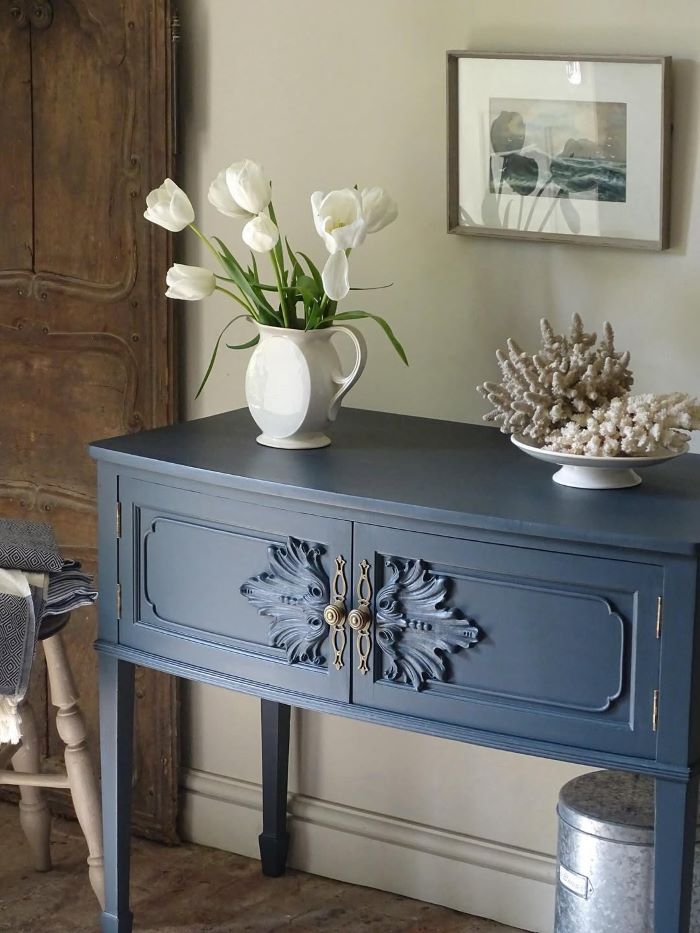
Repainting secondhand furniture is a practical way to update a home without buying new items. Old chairs, tables, or shelves from thrift shops often have strong structure but outdated colors. With light sanding and a fresh coat of paint, these pieces can look completely different. Soft tones like white, cream, or muted pastels are commonly used because they fit easily into most room styles. This approach also allows mixing different furniture styles instead of buying matching sets, which often costs more. Simple tools like brushes and basic paint are enough for most projects, and results depend more on patience than skill. It is also a useful way to reduce waste by reusing furniture that still works. Over time, painted pieces can become part of a unique home style without requiring large spending.
Decorative Tray Styling
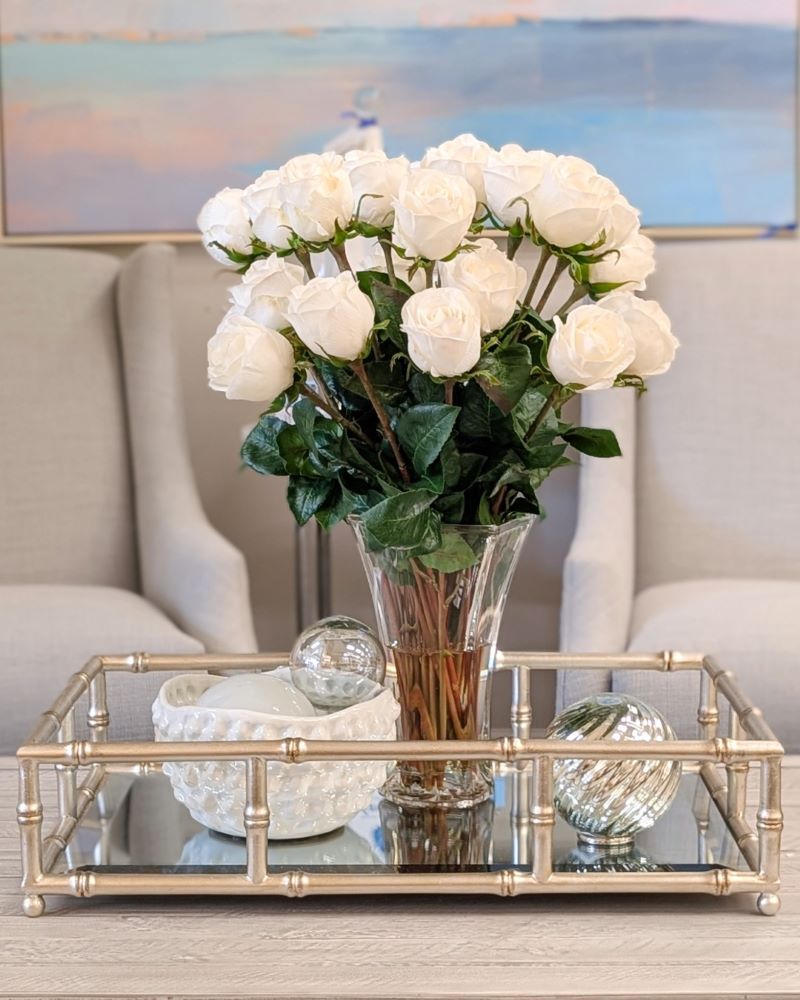
Decorative trays help organize small items while keeping surfaces visually clean. A simple tray placed on a coffee table or side table can hold candles, books, or small plants in one arranged space. This prevents items from spreading randomly and creates a neat focal point. Wooden, metal, or woven trays can be found at low prices and often reused from kitchen or serving items. Styling is simple; placing two or three objects with different heights usually gives a balanced look. It works well in living rooms, bedrooms, and even kitchen counters where small items tend to collect. The idea is not about adding more things but arranging existing ones in a cleaner way. This small change can make a room feel more organized without buying additional furniture.
Layered Rugs Texture
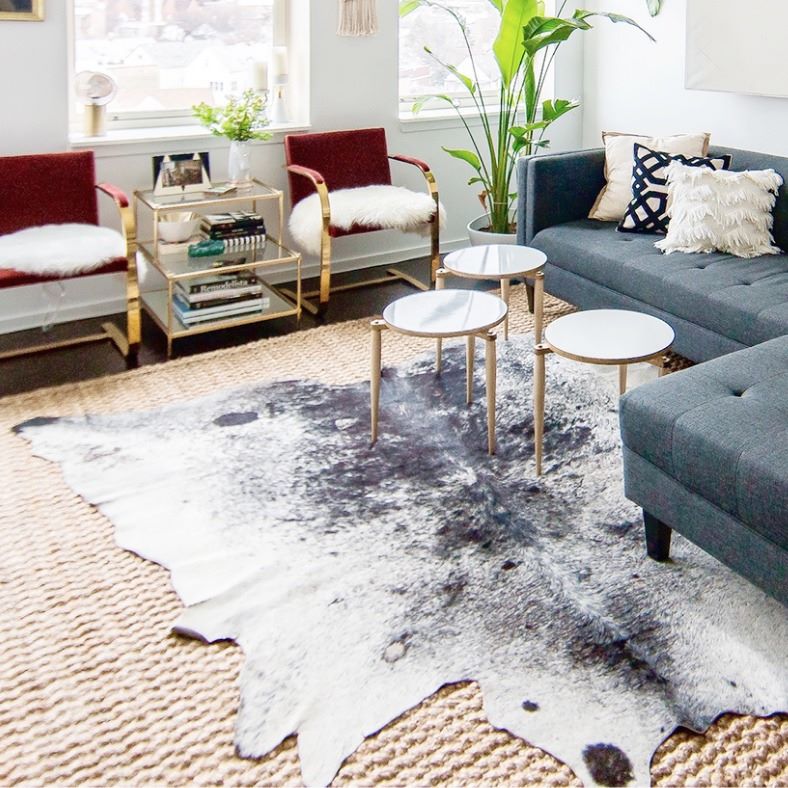
Layering rugs is a simple way to add texture and warmth to a room without high cost. A larger plain rug can be paired with a smaller patterned or textured one on top to create depth. This approach works well in living rooms or bedrooms where the floor space feels empty. Mixing materials like jute with cotton or soft wool adds contrast without making the space feel heavy. It also helps define areas in open-plan rooms, such as separating seating from walking space. Budget-friendly rugs from local markets or secondhand stores can be combined to achieve this effect without buying expensive pieces. The layering does not need perfect alignment; slight offsets often make the arrangement feel more natural. It is an easy way to change the feel of flooring without replacing anything.
Minimal Shelf Styling
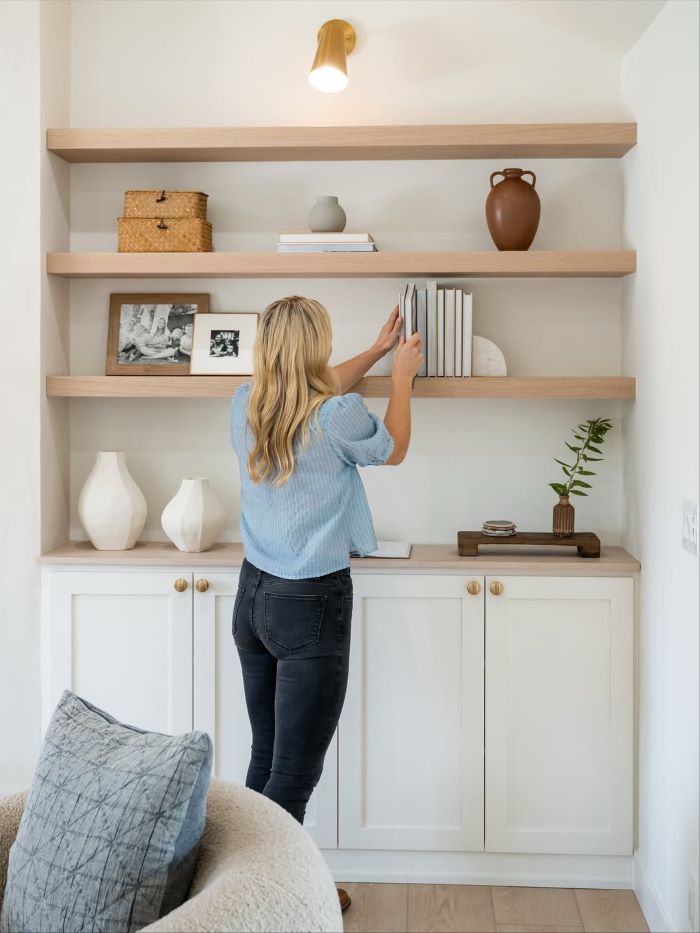
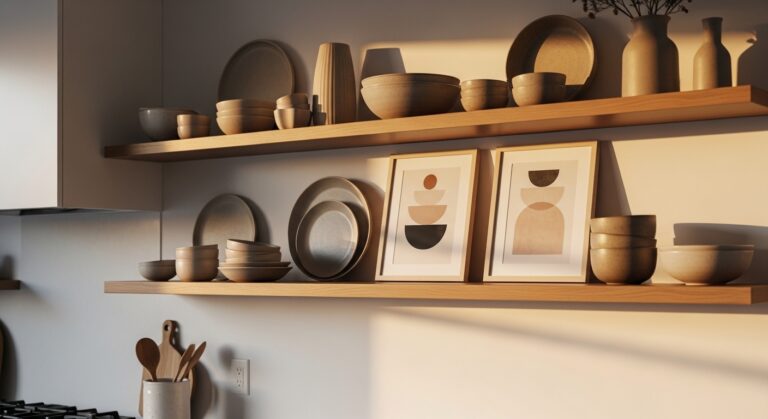
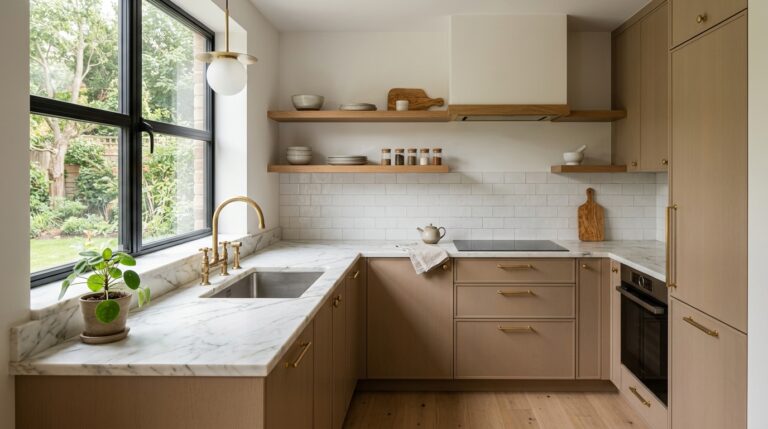
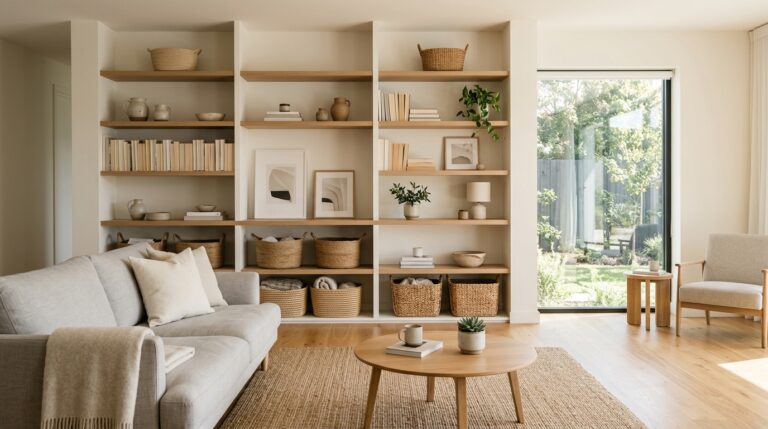
Floating shelves can look more refined when styled with fewer items. Instead of filling every space, leaving gaps helps maintain a calm appearance. A combination of books, small plants, and simple decorative pieces usually works well. Items already available at home can often be reused instead of buying new decor. The arrangement should focus on balance rather than quantity, with objects placed at different heights. This keeps shelves functional while also visually neat. Neutral tones or natural materials often blend better with most interiors. Over time, items can be rotated or replaced depending on season or mood without major cost. This approach works in kitchens, living rooms, or study areas where storage and style meet.
Candle Cluster Decor
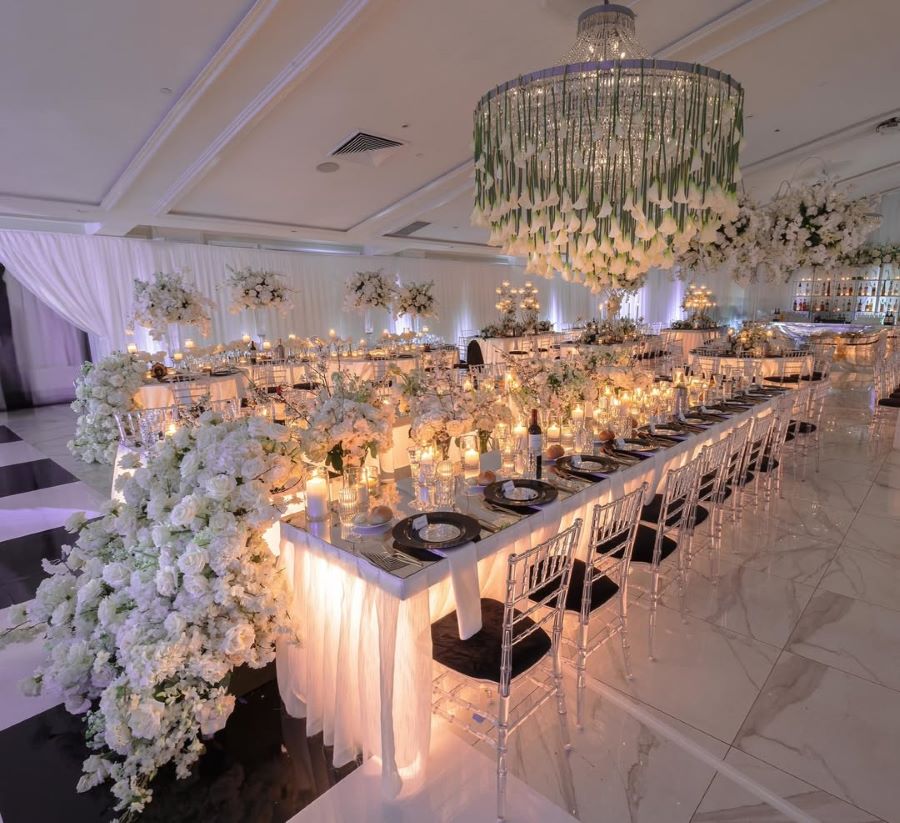
Candle clusters are a simple decor idea that adds warmth to a space without much expense. Grouping candles of different heights together on a tray creates a balanced and calm visual effect. They can be placed on coffee tables, dining tables, or shelves depending on the room layout. Neutral-colored candles are commonly used because they blend easily with different interiors, but even basic white candles work well. The arrangement does not require special tools, only a stable surface or tray to keep everything organized. When lit, candles create soft lighting that changes the mood of a room in the evening. This idea is often used for relaxed home settings where heavy lighting is not needed. It is a small change that adds atmosphere without adding clutter.
Conclusion
Simple decor changes can shift the feel of a home without large spending or complex effort. Using mirrors, paint, fabrics, lighting, and reused items allows each room to develop its own character gradually. Most of these ideas rely on rearranging or refreshing what is already available rather than buying new furniture. Over time, combining a few of these small adjustments can create a space that feels more organized and visually balanced while staying within a low budget.