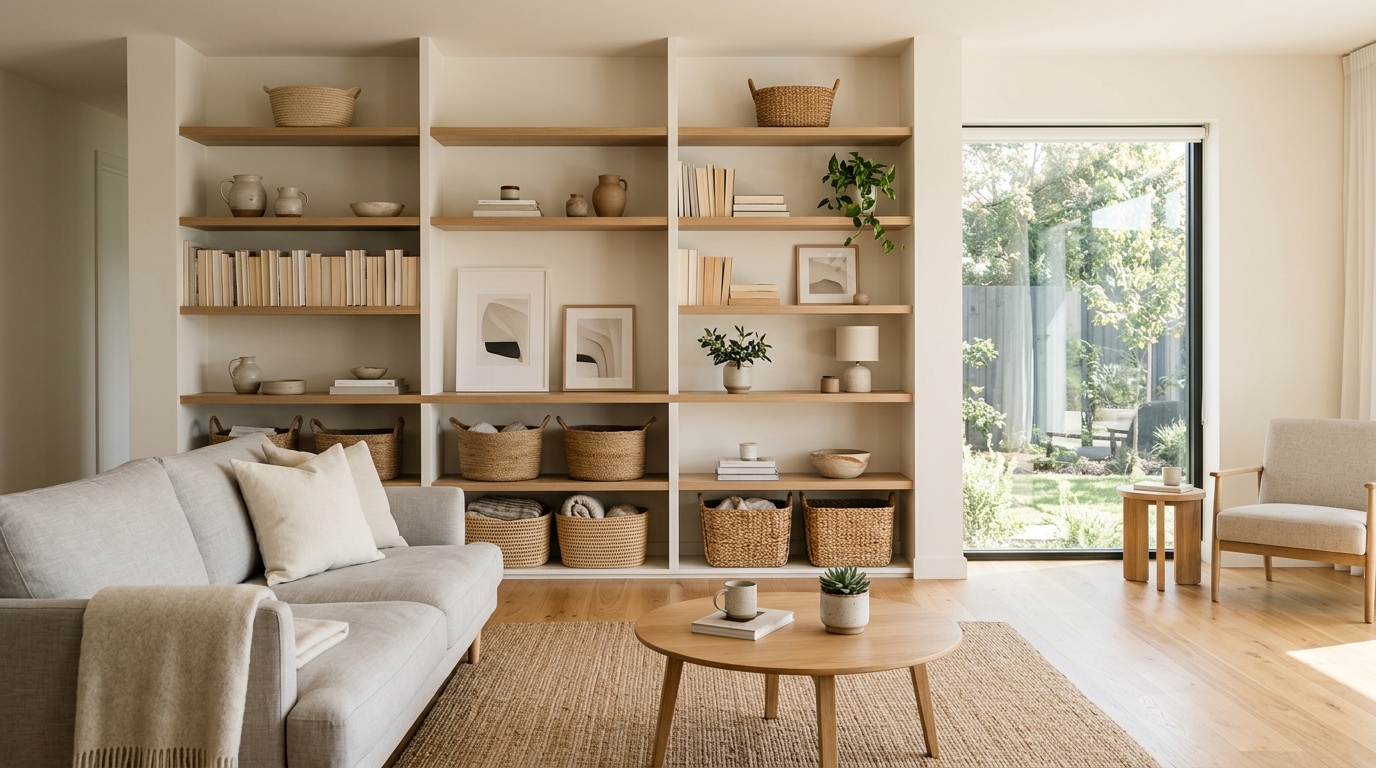
12 Must Try Home Organization Ideas for a Clean, Calm Home
A calm home is built through small, repeatable habits that keep clutter under control without constant effort. When every item has a clear place, daily routines feel lighter and faster. Organization is not about perfection or expensive setups. It is about creating simple systems that work in real life, even on busy days. These ideas focus on practical, budget-friendly ways to manage space in different parts of the home so everything feels easier to maintain and less stressful to live in.
Entryway Drop Zone Setup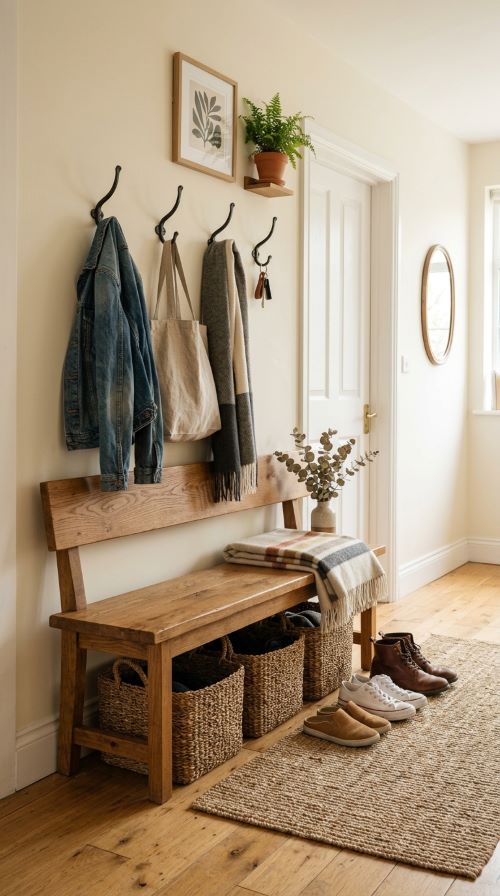
The entryway is where clutter usually starts because items get dropped the moment someone walks in. A drop zone fixes this by giving everything a clear landing spot. Use a small bench or stool near the door so shoes can be removed and stored properly instead of being left around the house. Add simple wall hooks above it for bags, jackets, or keys. A basket under the bench works well for shoes or daily-use items. You can even place a small tray for keys and wallets so they are always easy to find when leaving. The goal is to stop items from spreading into other rooms. Once this becomes a habit, the entryway stays clean with very little effort and the rest of the home feels more controlled from the start.
Clear Storage Bins for Fast Access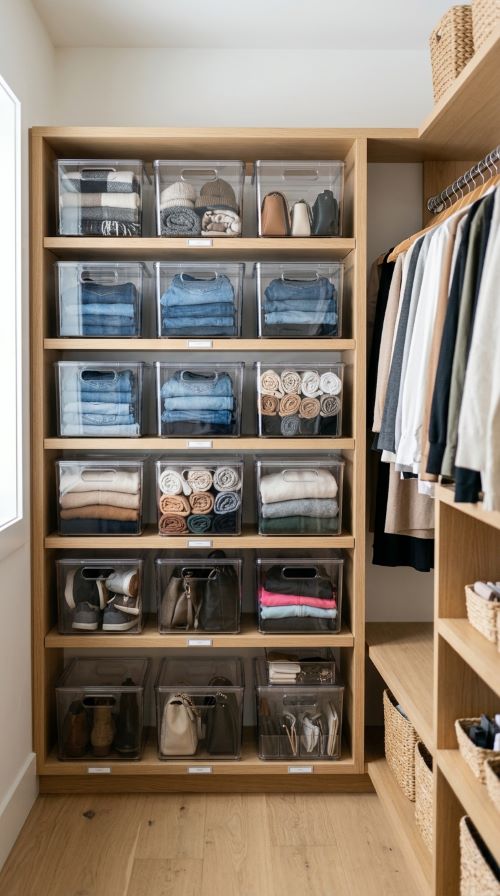
Clear storage bins make organizing easier because you can see everything without opening each box. This saves time and reduces confusion when looking for items. They are useful for clothes, toys, seasonal items, or household supplies. Instead of guessing where things are, everything stays visible and grouped. If clear bins are not available, simple labeling works just as well. Write short labels like “Winter Clothes,” “Toys,” or “Extra Bedding.” Stack bins neatly to save space, but keep heavier ones at the bottom for safety. You don’t need expensive storage systems; even basic plastic containers work if used properly. The main benefit is visibility, which helps prevent clutter from building up again.
Vertical Wall Shelves for Extra Space
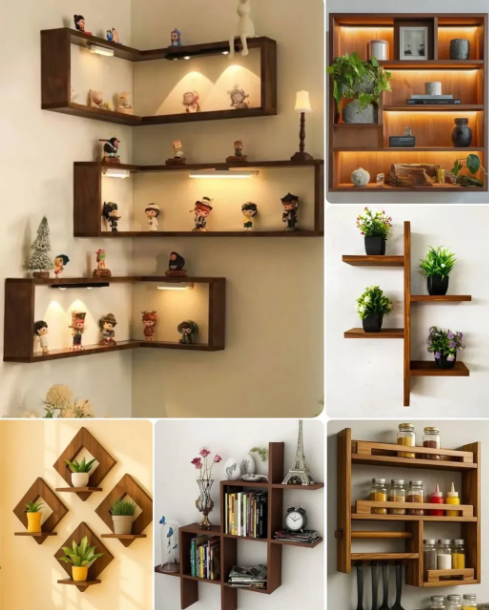
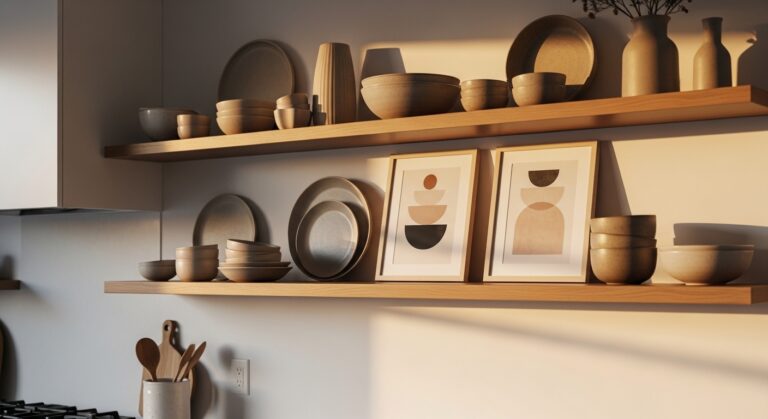
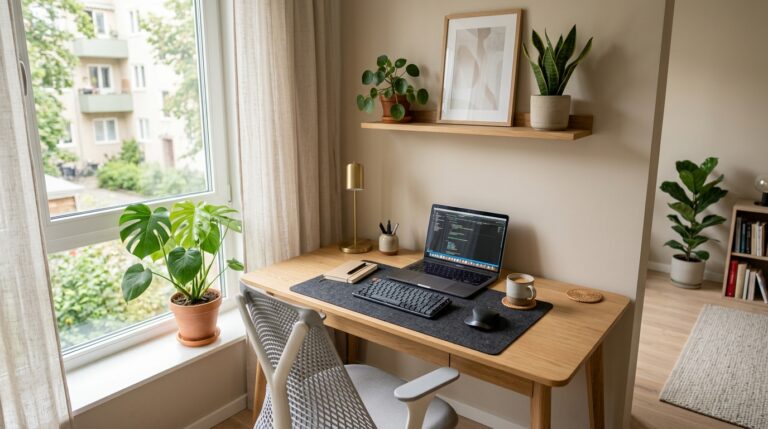
Vertical wall shelves are a smart way to use empty wall space instead of filling the floor with more furniture. They work well in living rooms, bedrooms, kitchens, or hallways. These shelves can hold books, small plants, decor items, or everyday essentials that usually end up scattered on tables. Simple wooden shelves are affordable and easy to install, making them a good DIY option. The key is balance—avoid overcrowding the shelves because too many items make the space feel messy again. Leave small gaps between objects so everything looks organized. Vertical storage also makes small rooms feel taller and more open because it draws the eye upward. Over time, it reduces surface clutter and keeps items more structured without taking up extra space.
Under-Bed Storage System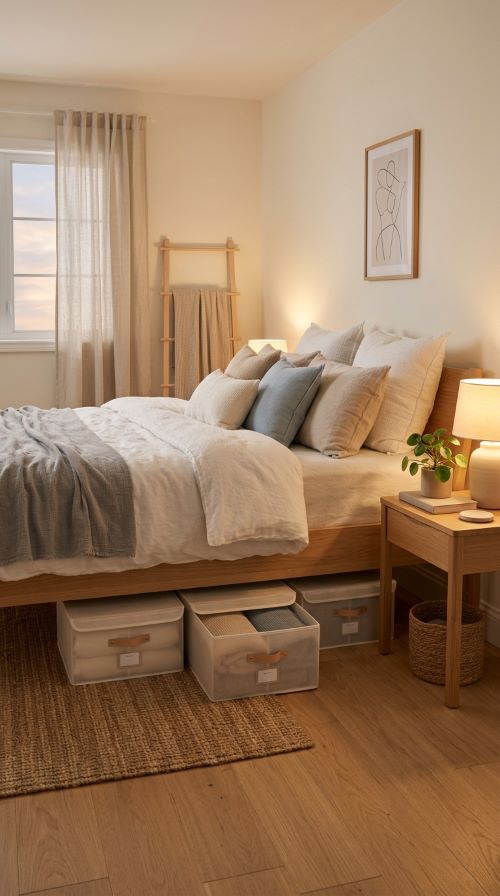
The space under the bed is often wasted but can be very useful for hidden storage. It works well for items that are not used daily such as seasonal clothes, extra bedding, or shoes. Use flat boxes or rolling containers so they can slide in and out easily. If you are on a budget, sturdy cardboard boxes with lids also work. The important step is sorting items before storing them so everything stays organized inside the box. Label each container clearly so you don’t have to open everything to find one item. This method helps free up closet space and reduces visible clutter in the bedroom. It is especially helpful in small homes where storage options are limited.
Drawer Dividers for Small Items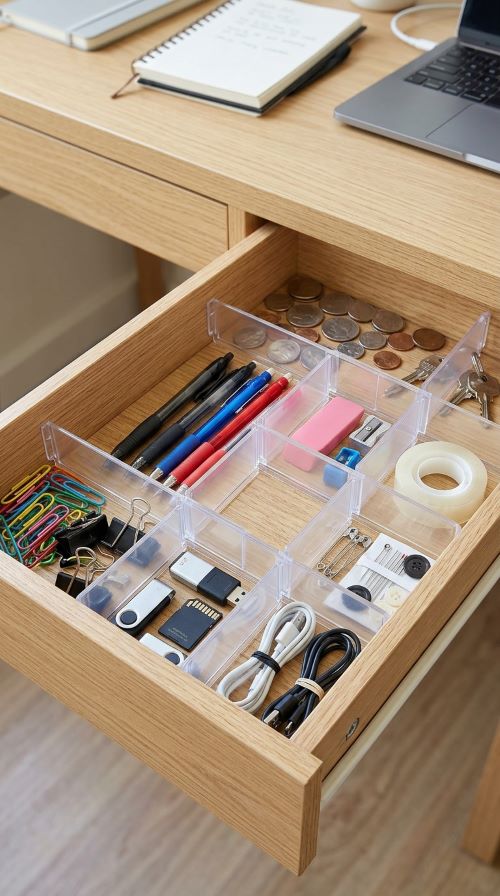
Drawers often become messy because small items are mixed together without structure. Drawer dividers solve this by creating separate sections for different categories. You can use adjustable dividers or simple DIY cardboard pieces. Group similar items together such as socks, stationery, makeup, or cables depending on the drawer’s purpose. This makes it easier to find things quickly without searching through clutter. Avoid overfilling each section because too many items defeat the purpose. Leaving a little empty space helps maintain order and makes cleanup easier. This simple system works in bedrooms, kitchens, and offices and reduces daily frustration when looking for small essentials.
Closet Seasonal Rotation Method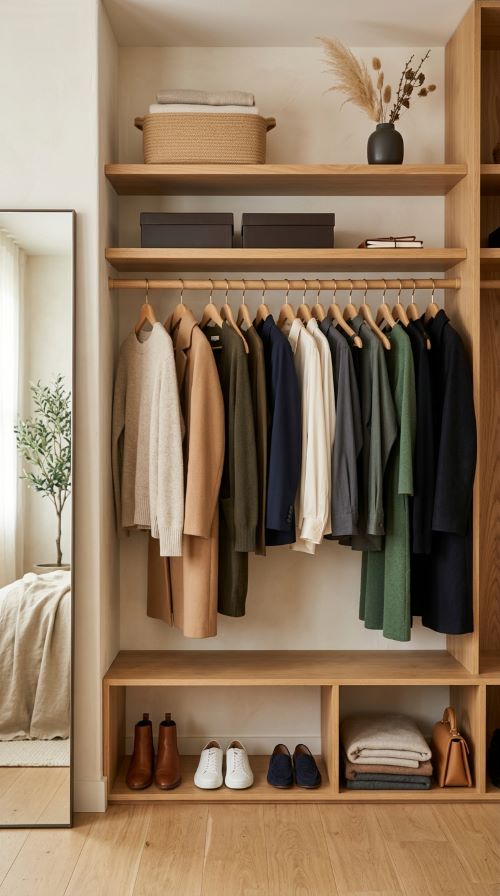
A seasonal rotation system keeps your closet simple by only showing clothes you actually use. Instead of keeping everything out all year, store off-season clothes in boxes or bags and rotate them when needed. This instantly frees up space and makes choosing outfits easier every day. Divide clothes into categories like summer, winter, and everyday basics. Store unused clothes in labeled containers and keep current items visible in your closet. This reduces clutter and also helps you notice clothes you no longer wear. It is a simple way to keep your wardrobe lighter, more organized, and easier to manage without buying extra storage furniture.
Kitchen Cabinet Zoning System
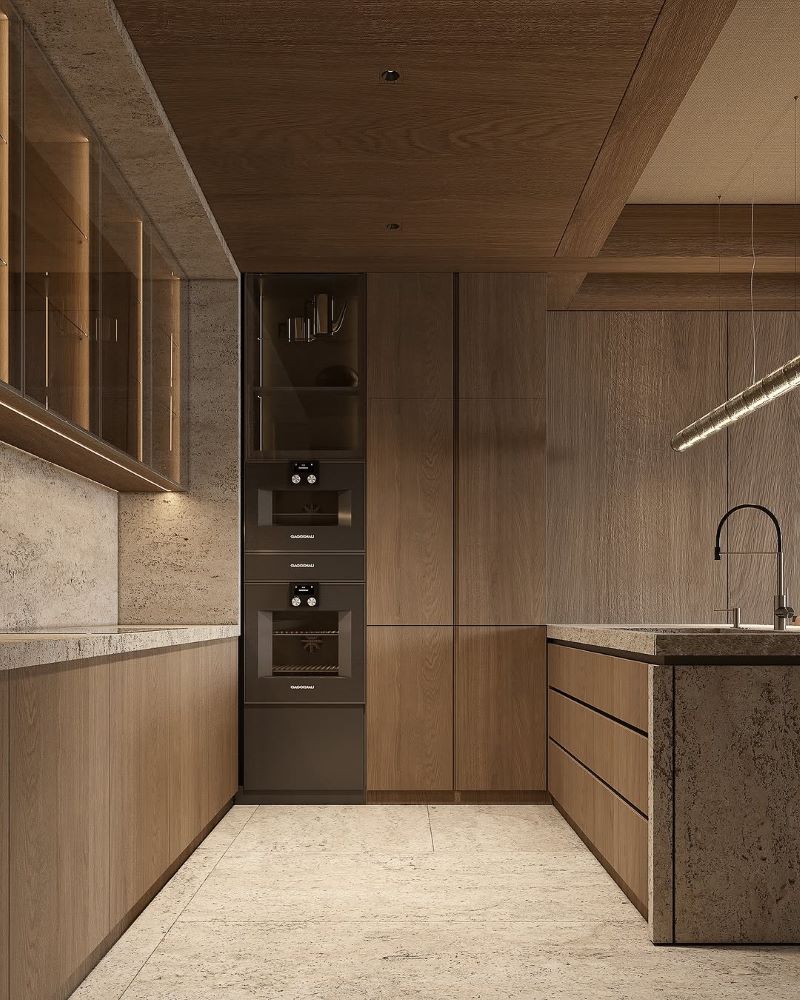
Kitchen cabinets become messy when items are stored randomly. A zoning system solves this by giving each category its own space. Keep cooking tools in one area, dishes in another, and spices in a separate section. This makes cooking faster because everything is easy to find. You can also use small baskets inside cabinets to group similar items. Place frequently used items at eye level and less-used items higher or lower. Avoid mixing unrelated items because that creates confusion again. A well-zoned kitchen reduces stress during cooking and makes cleaning easier because everything has a defined place.
Pantry Glass Jar Storage
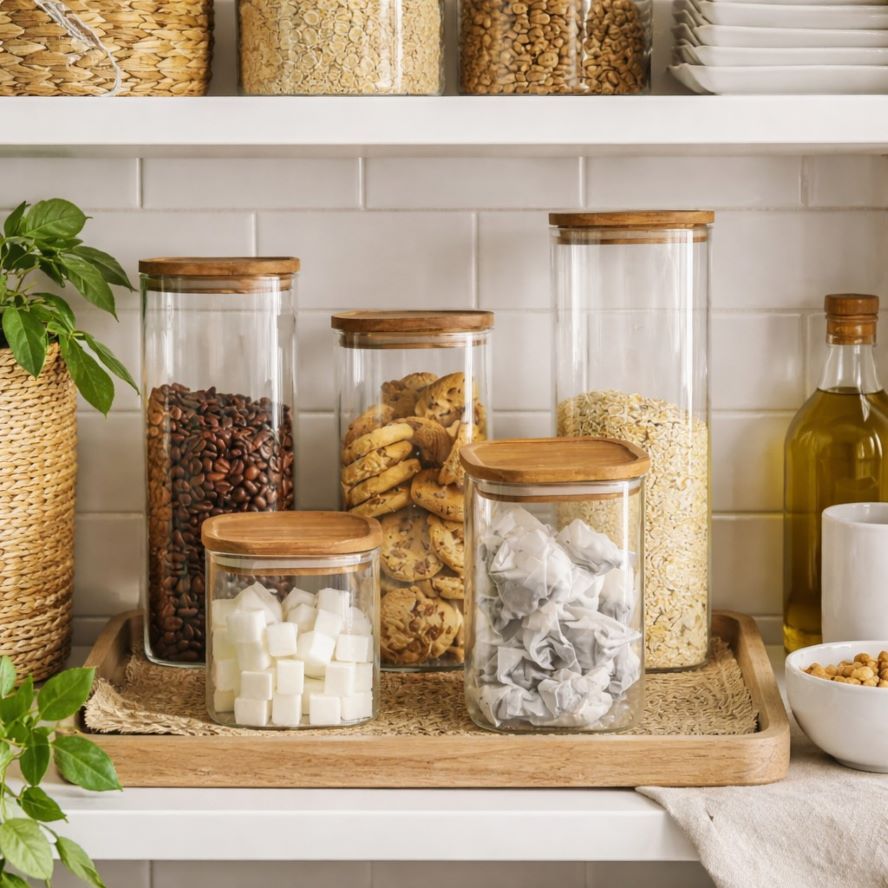
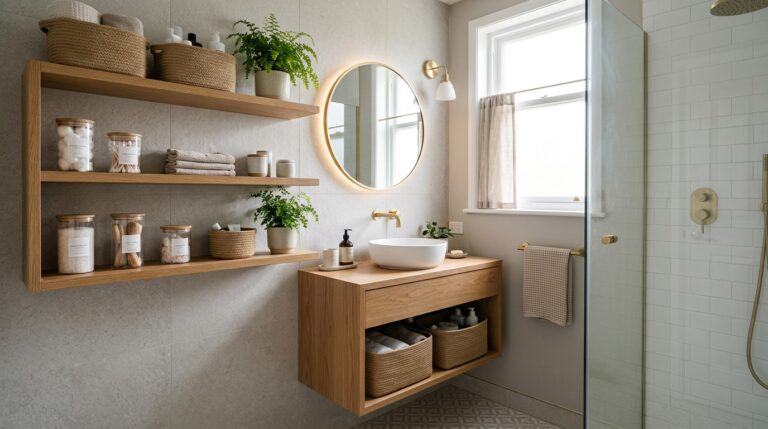
Glass jars are a simple way to organize pantry items while keeping food visible and fresh. Transfer dry goods like rice, pasta, lentils, and snacks into jars instead of leaving them in packaging. This makes shelves look cleaner and helps you see how much food is left. You can use recycled jars or affordable containers depending on budget. Label each jar clearly for easy identification. Place frequently used items at eye level for quick access. This method reduces food waste and makes cooking more efficient because ingredients are easy to find.
Bathroom Wall Storage Shelves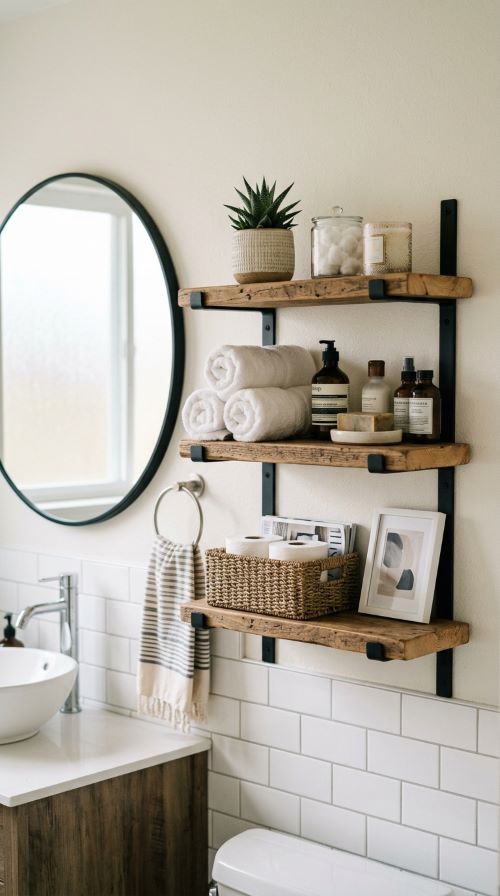
Bathrooms often feel crowded because counters fill up quickly. Wall shelves solve this by using vertical space. Install shelves above sinks or toilets to store towels, toiletries, and small baskets. Keep daily-use items on lower shelves for easy access and store extras higher up. Simple wooden or metal shelves work well and are affordable. Avoid overcrowding the shelves so the space still feels open. This setup keeps counters clear and makes cleaning easier while keeping bathroom essentials organized.
Over-the-Door Storage Organizer
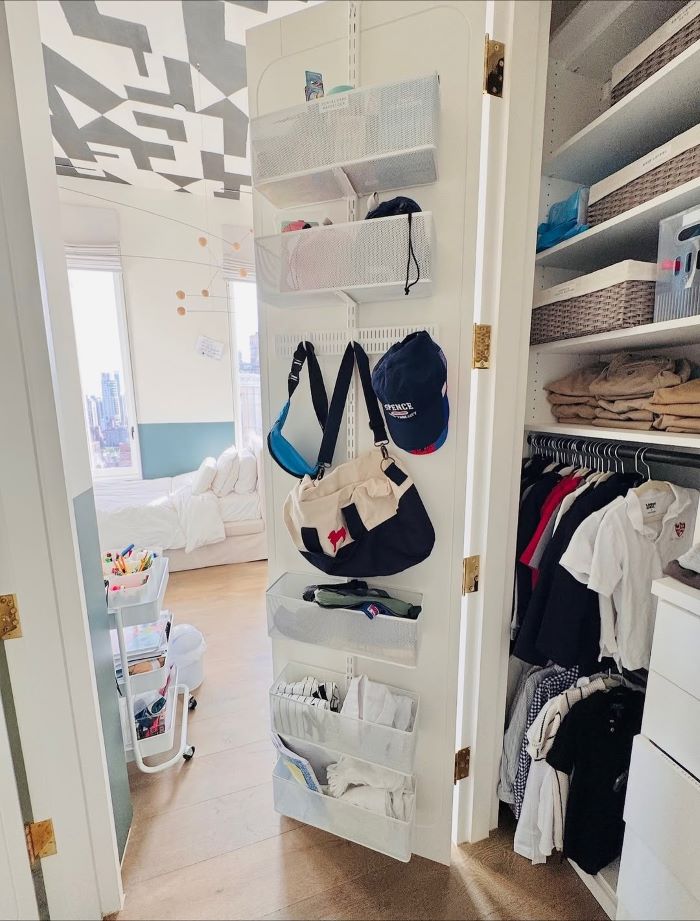
Over-the-door organizers use space that is usually ignored. They hang on doors and provide extra storage for shoes, accessories, or small items. This is especially useful in small rooms where storage space is limited. Each pocket can hold a different category so items stay separated and easy to find. They are simple to install and do not require tools. This system reduces clutter in closets and drawers while making use of unused space efficiently.
Simple Cable Management Setup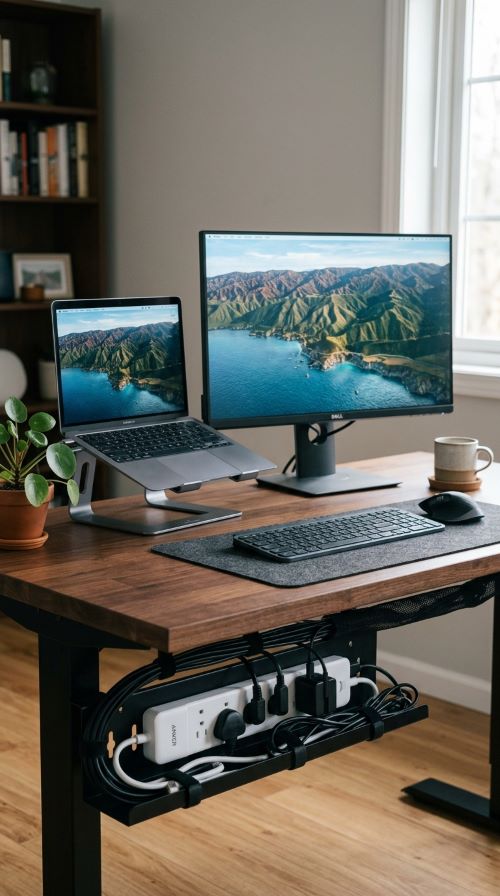
Cables often create visual mess around desks and entertainment areas. Simple cable management keeps everything tidy. Use clips, ties, or small boxes to group wires together. Label chargers to avoid confusion. Store extra cables in a small container so they do not get tangled. Even basic solutions like rubber bands can help manage loose wires. This creates a cleaner and more organized look in workspaces and living areas without spending much money.
Weekly Home Reset Routine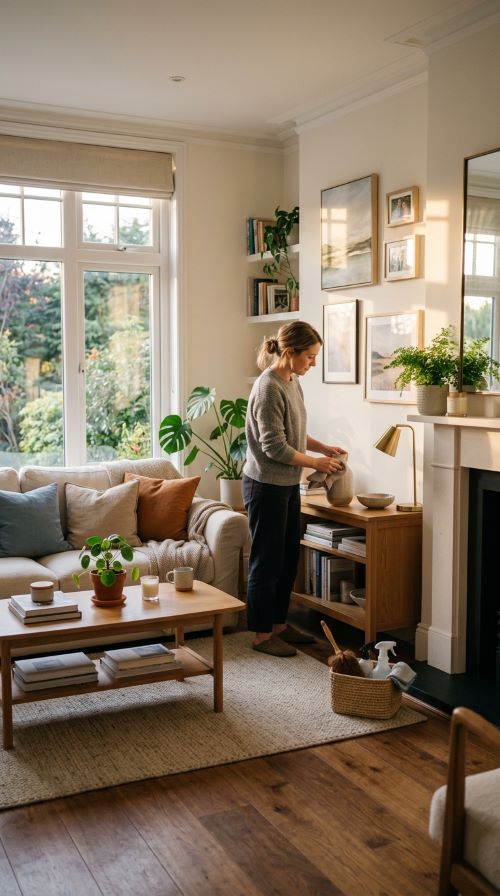
A weekly reset routine helps keep the home organized without letting clutter build up. Spend a short time once a week returning items to their proper places. Focus on visible areas like tables, counters, and floors. Put away things left out during the week and do a quick surface wipe. This prevents mess from growing into larger problems. It does not need to be a long cleaning session—just consistent small effort. Over time, this routine keeps the home easier to manage and reduces stress from heavy cleaning days.
Conclusion
A clean and calm home is not created through big changes but through small systems that work every day. When each space has a clear purpose and storage is used wisely, clutter naturally reduces without constant effort. These simple ideas help turn messy areas into organized, easy-to-manage spaces using affordable and practical methods. By applying even a few of these habits, the home starts to feel lighter, more open, and easier to maintain in the long run.