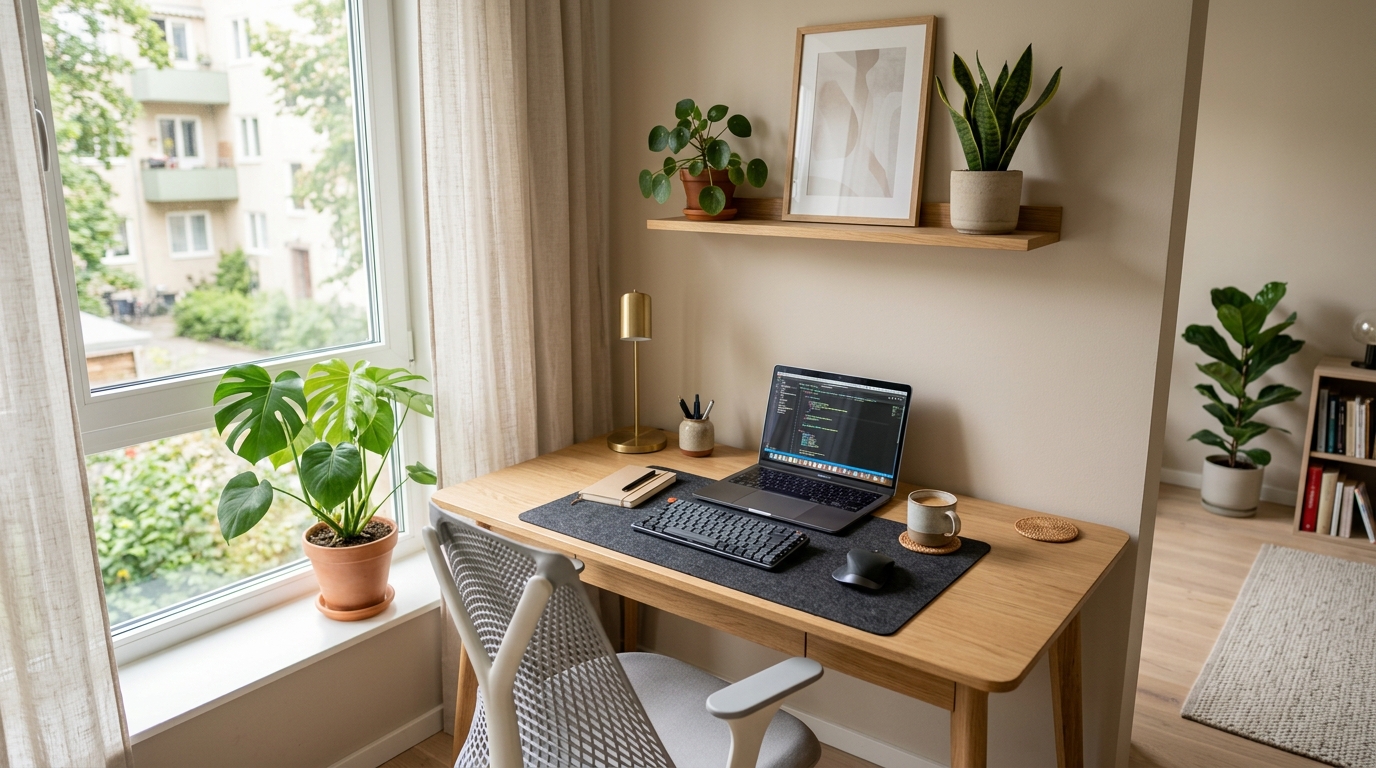
13 Smart Home Office Ideas That Maximize Space and Style
A home office today is not just a desk in a corner. It is a space where work, focus, and comfort meet in a small footprint. Many people deal with limited rooms, shared spaces, or tight apartments, yet still want a setup that feels calm and practical. The good news is that smart design choices can change even the smallest corner into a working zone that feels open and organized. With simple adjustments like better storage, thoughtful lighting, and space-aware layouts, it is possible to create a setup that feels comfortable without spending heavily. The ideas below focus on practical changes anyone can try, even on a tight budget.
Floating Desk Wall Setup
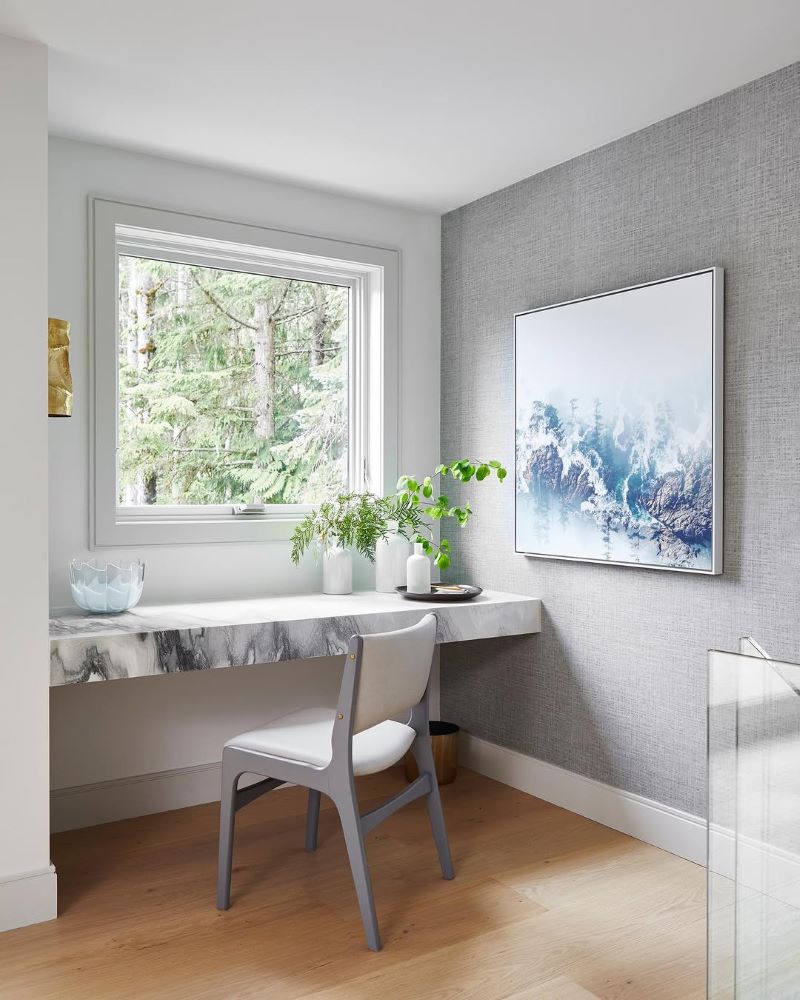
A floating desk is one of the simplest ways to save floor space in a small room. It attaches directly to the wall and leaves the area underneath open. This creates a lighter visual feel and makes cleaning easier. You can install a basic wooden plank with wall brackets for a low-cost version. Even reclaimed wood works well if sanded and sealed. Keep the surface minimal. Only place items you use daily, like a laptop, lamp, and notebook. Add a small wall shelf above the desk for storage. This keeps clutter off the working area. Cable clips can be fixed underneath to hide wires. A floating setup works well in bedrooms, hallways, or studio apartments. It gives a clean working corner without needing a full room. The open floor below also allows a chair to tuck in fully, saving extra space.
Corner L-Shaped Workspace
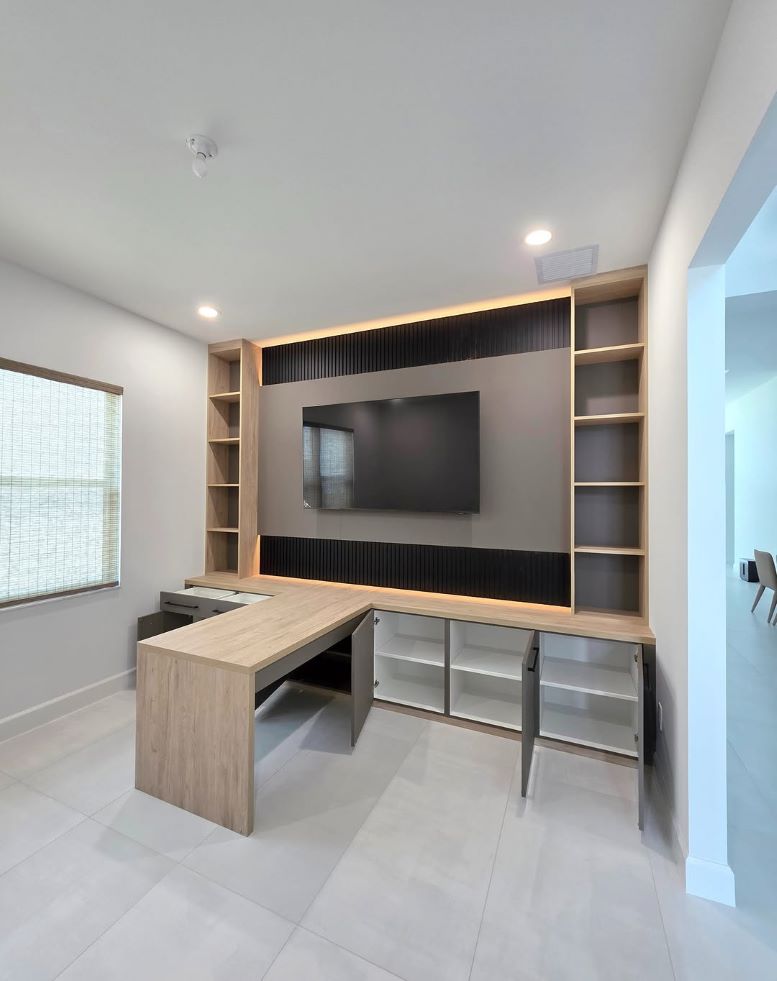
A corner workspace uses areas that often go unused. An L-shaped desk fits neatly into a corner and gives extra surface area without taking much room. You can create one using two small desks placed together or buy a simple corner board setup. This layout helps separate tasks, like using one side for a laptop and the other for writing or planning. It also keeps things organized because items naturally stay in defined zones. Add wall shelves above the corner to store books or files. A small desk lamp placed at the corner joint improves lighting without taking space. For budget setups, even a plywood board fixed across two walls can work. This idea is especially useful in bedrooms where space is shared. It keeps the office area contained and visually tidy while still giving enough room to work comfortably.
Fold-Down Wall Desk
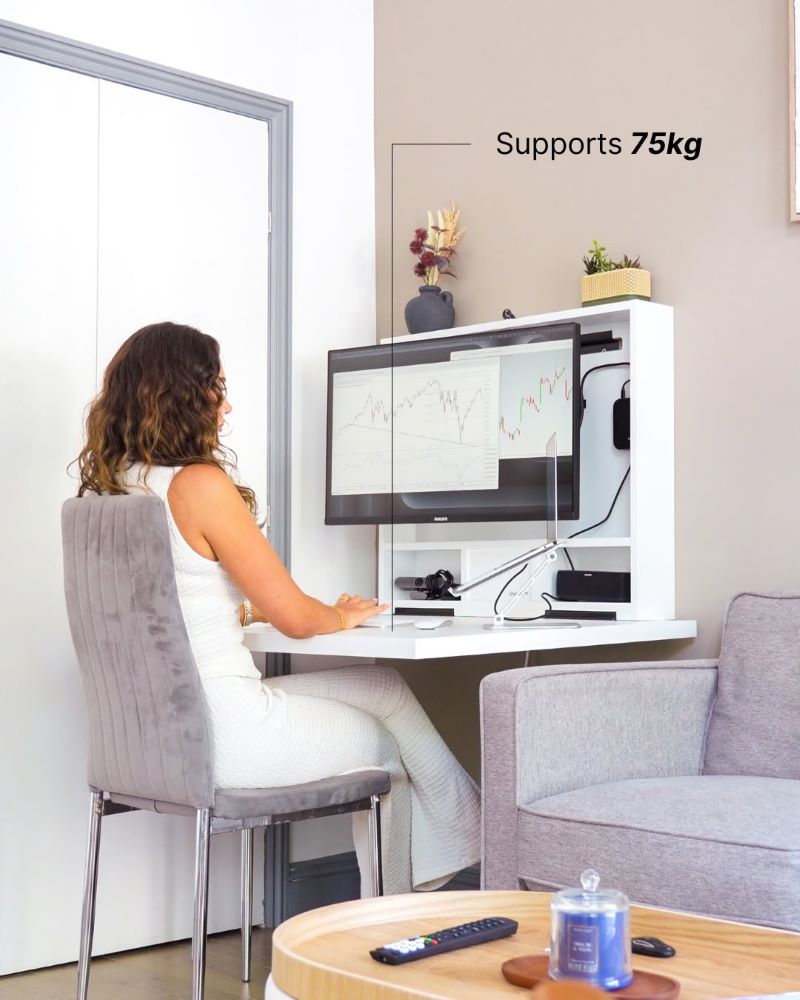
A fold-down desk is perfect when space is limited and flexibility matters. It stays attached to the wall and can be folded up when not in use. This keeps the room open during non-working hours. Inside, you can store small office items like pens, chargers, and notebooks. Some designs even include built-in shelves. A simple DIY version can be made using hinges and a wooden board. It is useful for studio apartments or shared rooms where a permanent desk may feel bulky. When opened, it becomes a full work surface. When closed, it looks like a neat wall panel. This setup helps separate work time from rest time. It also reduces visual clutter, which can make a room feel calmer.
Vertical Shelving Storage
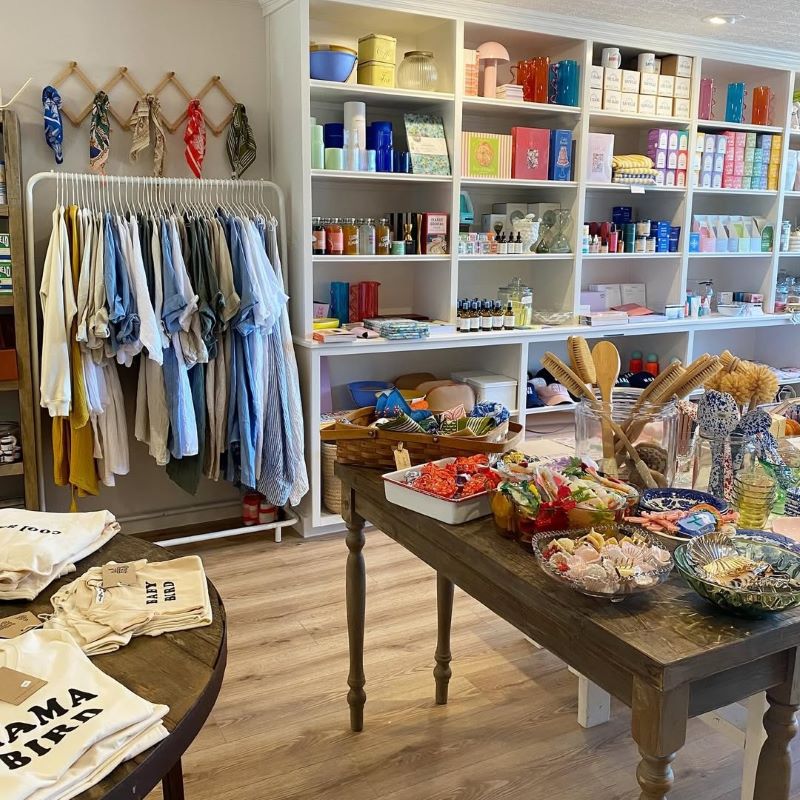
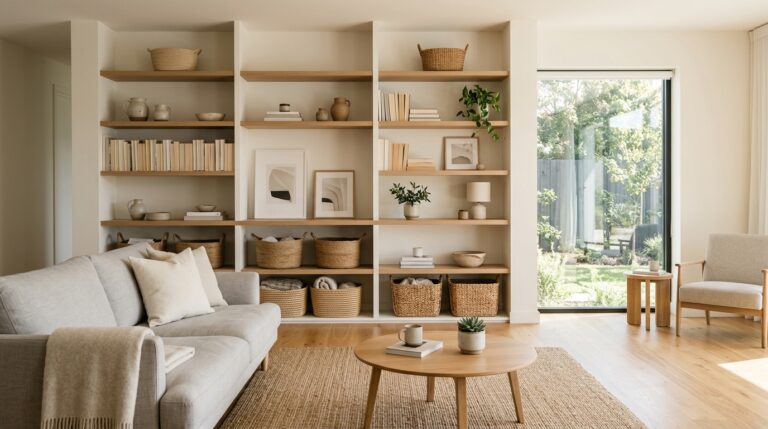
Vertical shelving uses wall height instead of floor space. This is helpful in small offices where surfaces are limited. Tall shelves can hold books, storage boxes, and decor without crowding the desk. You can install simple floating shelves using wood planks and brackets. Arrange items in a balanced way. Keep frequently used items at arm level and storage items higher up. Small baskets can hold loose cables or papers. Plants or framed photos can break the rigid look and add warmth. Vertical storage also helps keep the desk clear, which improves focus. It is a low-cost way to expand storage without adding furniture.
Under-Desk Cable Management
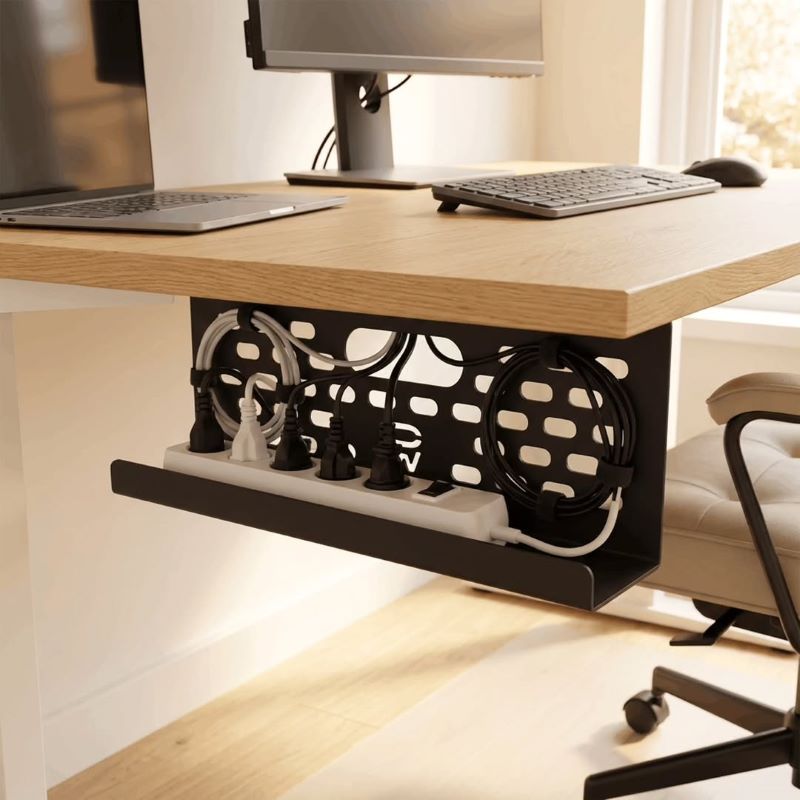
Cables can make even a nice workspace feel messy. Under-desk cable management helps fix that quickly. Use clips, zip ties, or a simple tray mounted under the desk. This keeps wires hidden and prevents tangling. Extension cords can be attached underneath so they are not visible. Labeling cables also helps when unplugging devices. For a budget setup, adhesive hooks work well. Keep chargers and adapters grouped together. A clean cable layout makes the workspace feel more open and easier to maintain. It also reduces distractions caused by visual clutter.
Minimalist White Theme Workspace
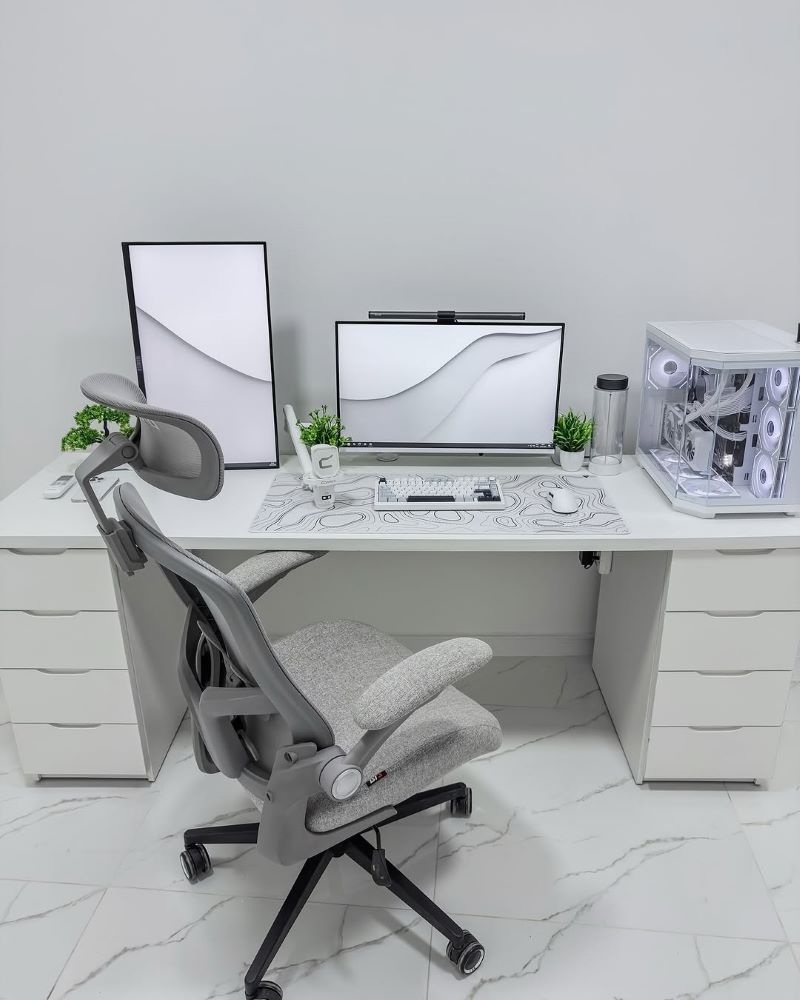
A simple white-based setup makes a small room feel more open. White walls, desk, and shelves reflect light well. This creates a brighter working area. You can mix in light wood or soft beige to avoid a cold look. Keep decor minimal. One plant or one framed print is enough. A white desk can be created using painted plywood or budget furniture. The key is consistency in color. Avoid too many contrasting items. This style works well for people who prefer calm, distraction-free spaces. It also pairs easily with any room design.
Dual Monitor Compact Layout
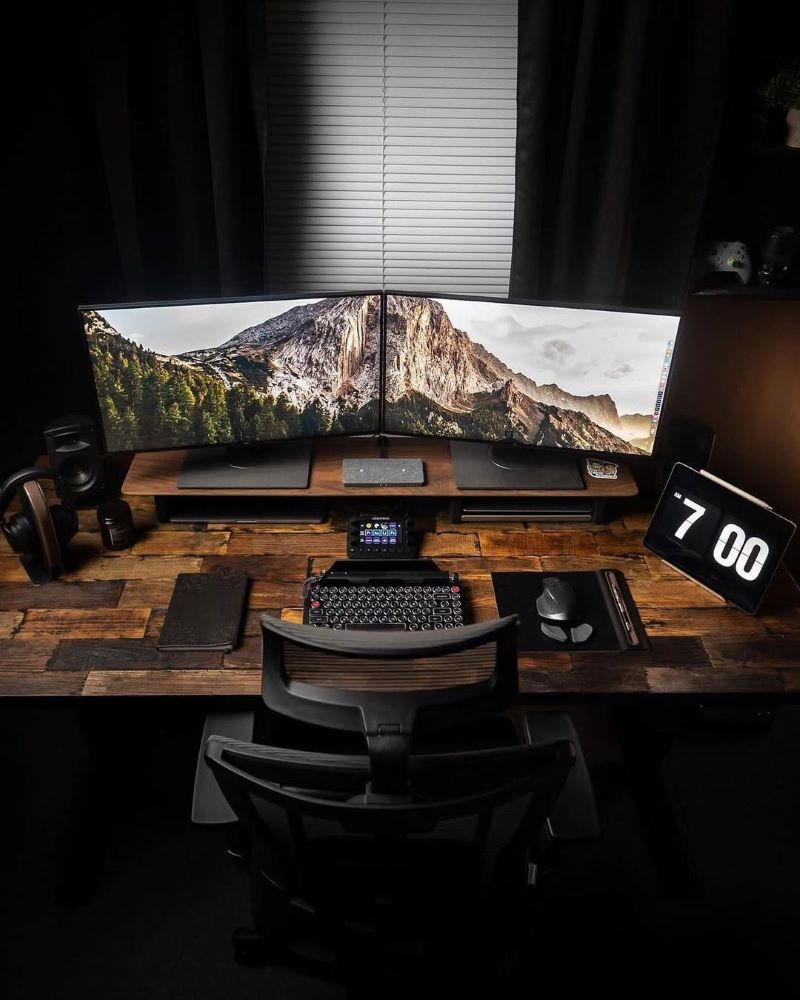
A dual monitor setup can still fit in a small space if arranged carefully. Place monitors close together on a narrow desk. Use monitor arms if possible to free desk space. Keep keyboards compact to reduce clutter. Arrange screens at eye level to avoid strain. This setup is useful for multitasking like design, writing, or coding. Even a small desk can handle it with proper spacing. Cable ties help keep the back area clean.
Window-Adjacent Desk Setup
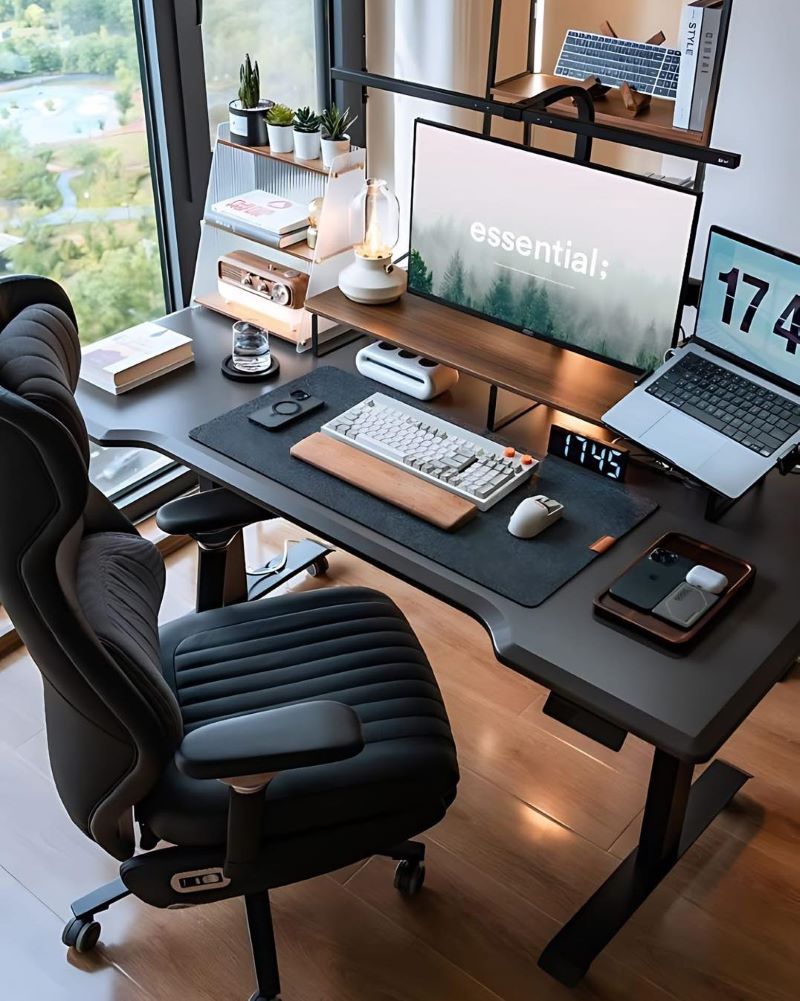
Placing a desk near a window brings natural light into the workspace. This reduces the need for artificial lighting during the day. It also creates a more comfortable working mood. A small table or floating desk works best here. Keep blinds or curtains light to avoid harsh glare. A plant on the windowsill adds a fresh feel. This setup works well in bedrooms or living rooms.
Hidden Storage Ottoman Desk
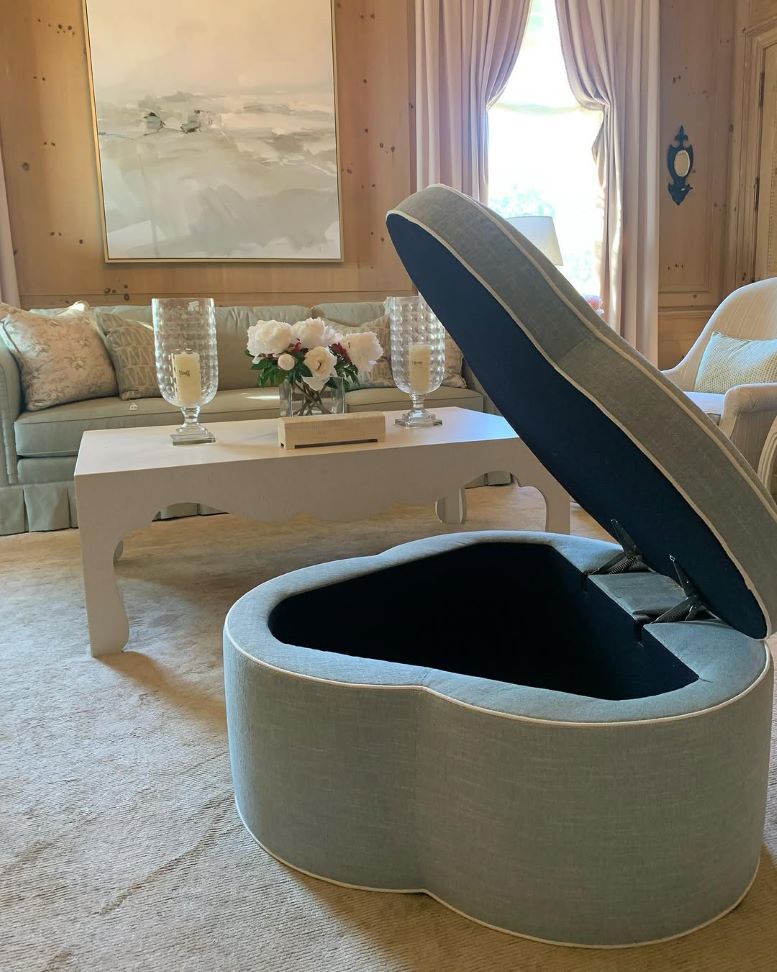
A storage ottoman can double as a small desk surface. Place a sturdy tray on top to hold a laptop. Inside, store office supplies like notebooks or chargers. This works well for very tight spaces. It can be moved easily when not needed. It is also budget-friendly since it replaces two items at once.
Pegboard Organization Wall
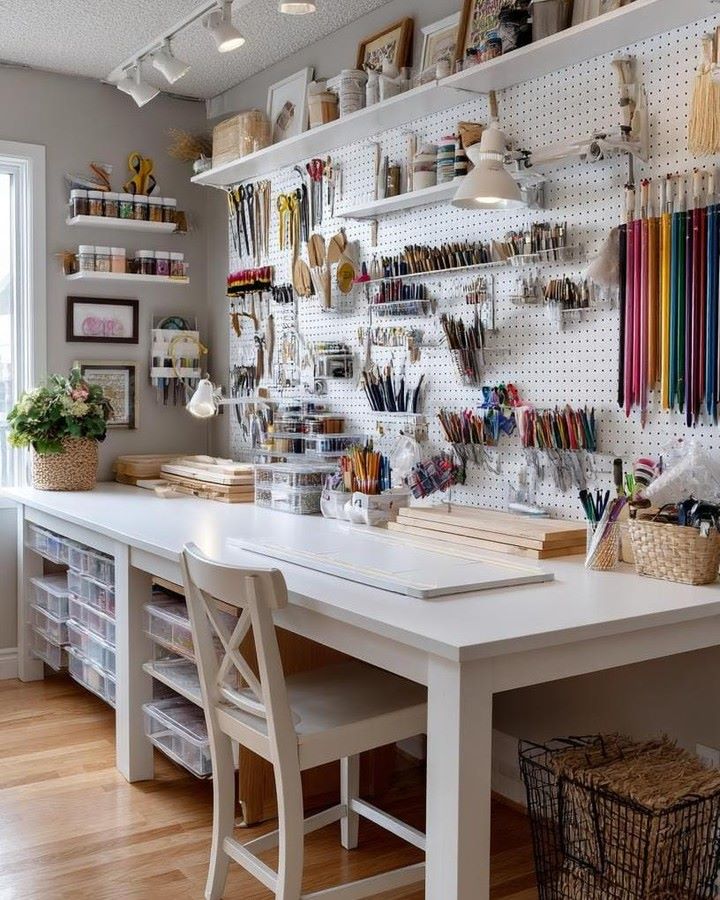
A pegboard helps keep tools organized on the wall. You can hang shelves, hooks, and small containers. It keeps desk space clear and items visible. It is easy to customize and rearrange. A DIY version can be made with wooden board and hooks. It works well for creative workspaces.
Built-in Bookshelf Office Nook
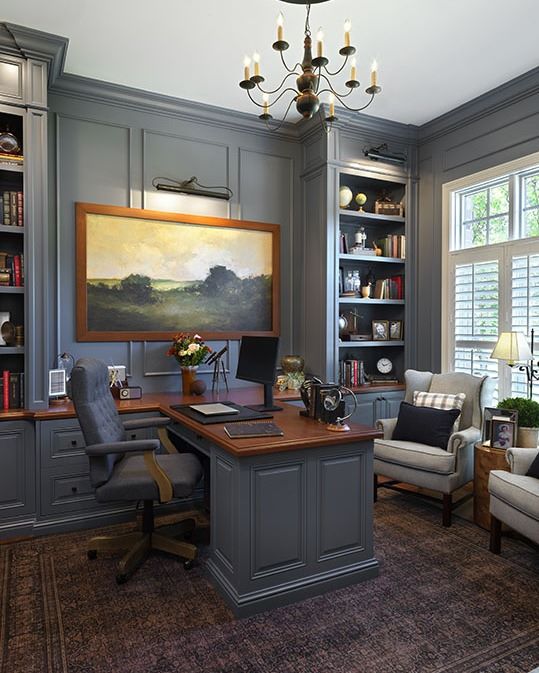
A bookshelf nook turns unused wall space into a working corner. A small desk can be placed between shelves. Books and storage stay within reach. This creates a cozy and organized setup. It is ideal for bedrooms or living rooms with built-in storage.
Standing Desk Converter Setup
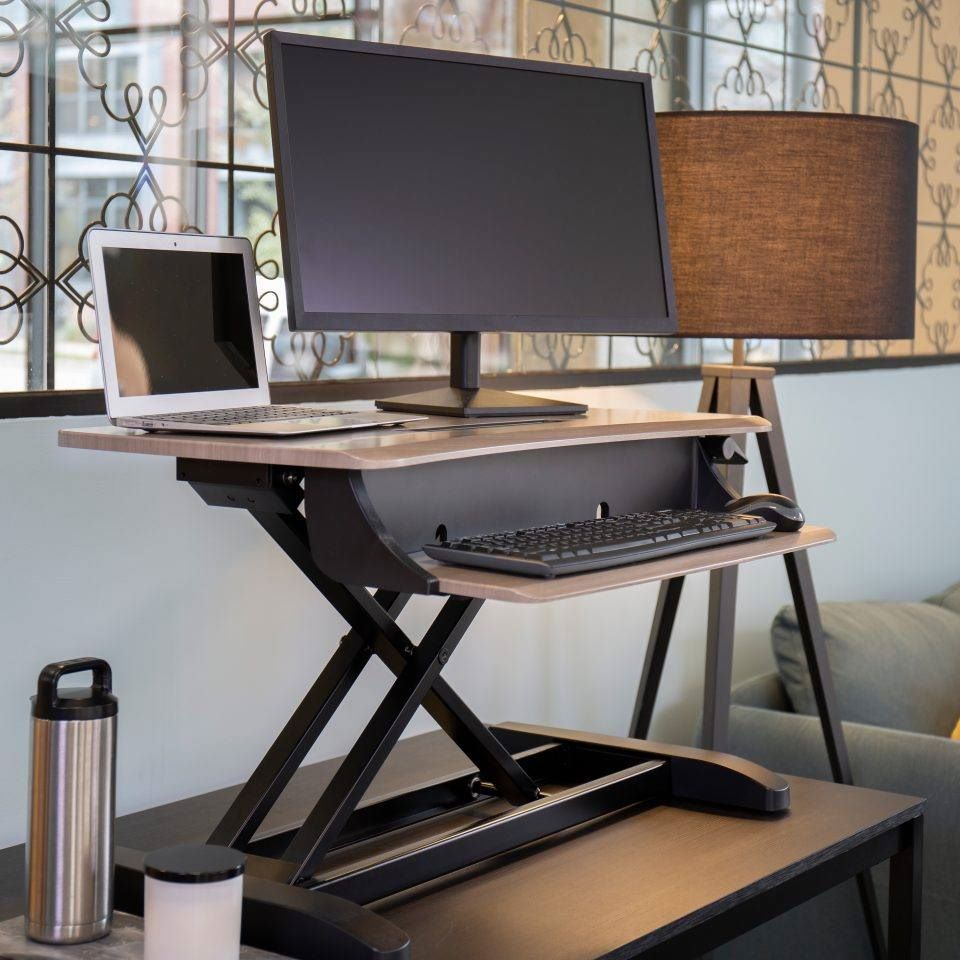
A standing desk converter sits on top of a regular desk and allows switching between sitting and standing. It helps change posture during work hours. Budget versions are available, or DIY platforms can be used. Keep height adjusted for comfort.
Small Plant Corner Office
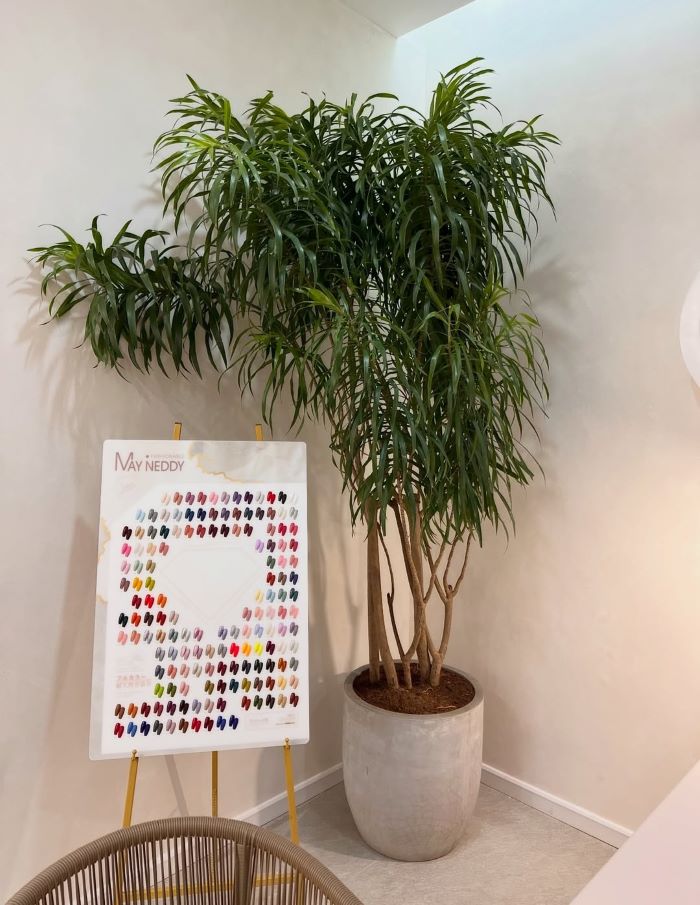
Adding plants around a desk creates a calming workspace. Small pots on shelves or desk corners work well. Plants like pothos or snake plants are easy to maintain. They bring life into a compact office area without taking space.
Final Words
A small home office can still feel practical and well arranged with thoughtful choices. Simple changes like wall desks, vertical storage, or flexible furniture help use space better without heavy spending. Each idea above focuses on making work areas easier to manage while keeping the room comfortable for daily life. Even small adjustments can turn unused corners into useful work zones that support focus and comfort throughout the day.